









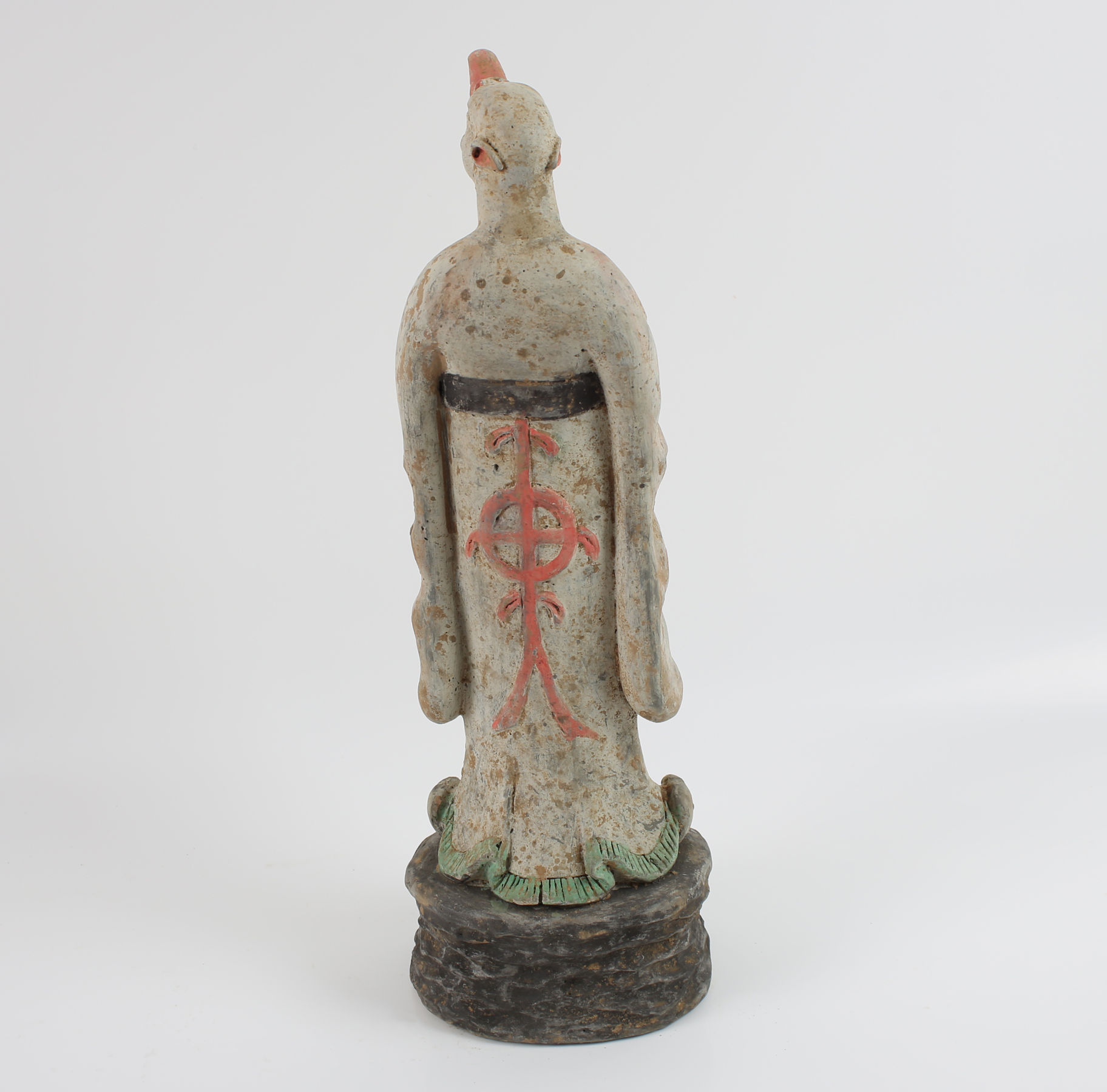

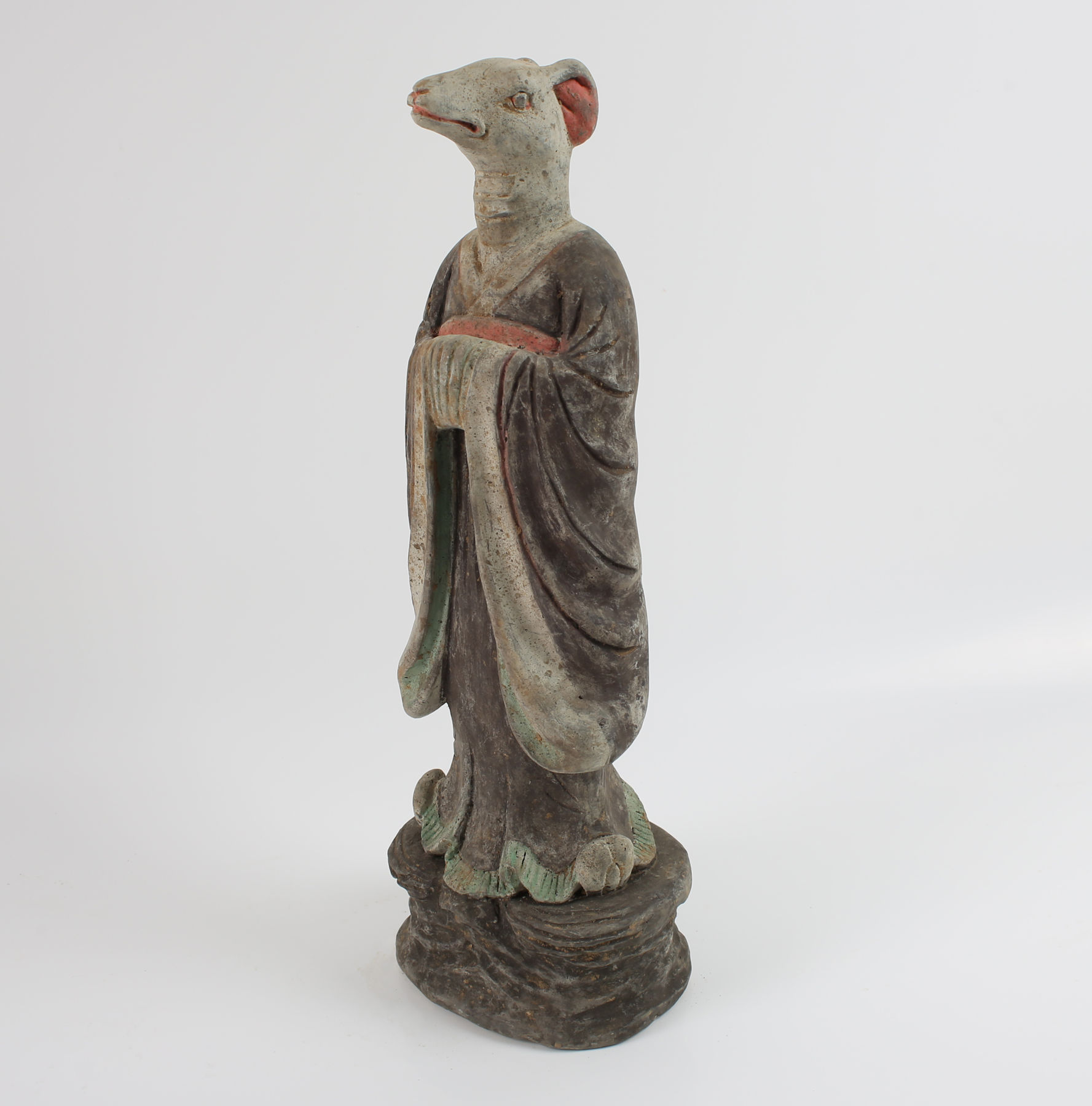
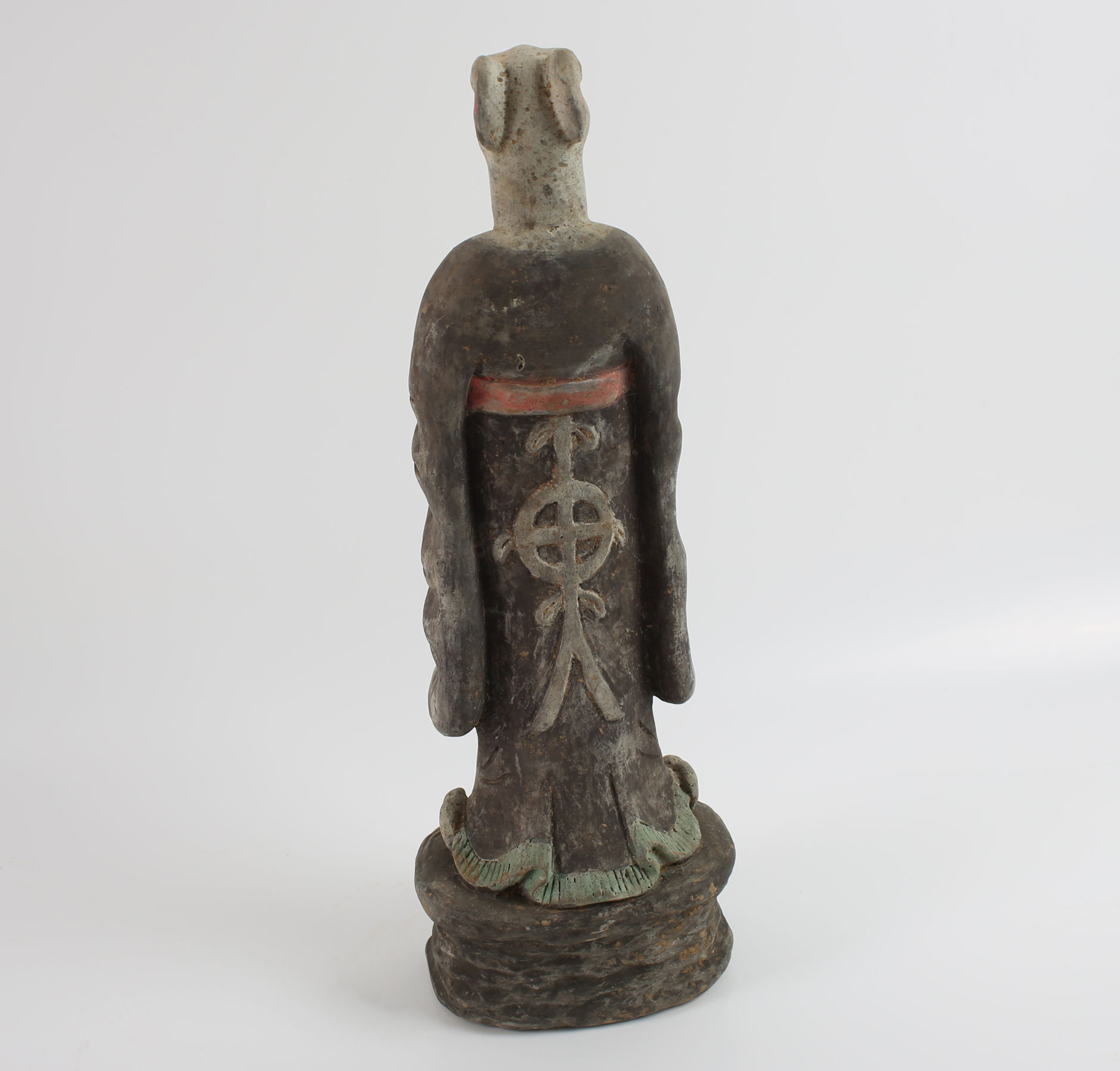
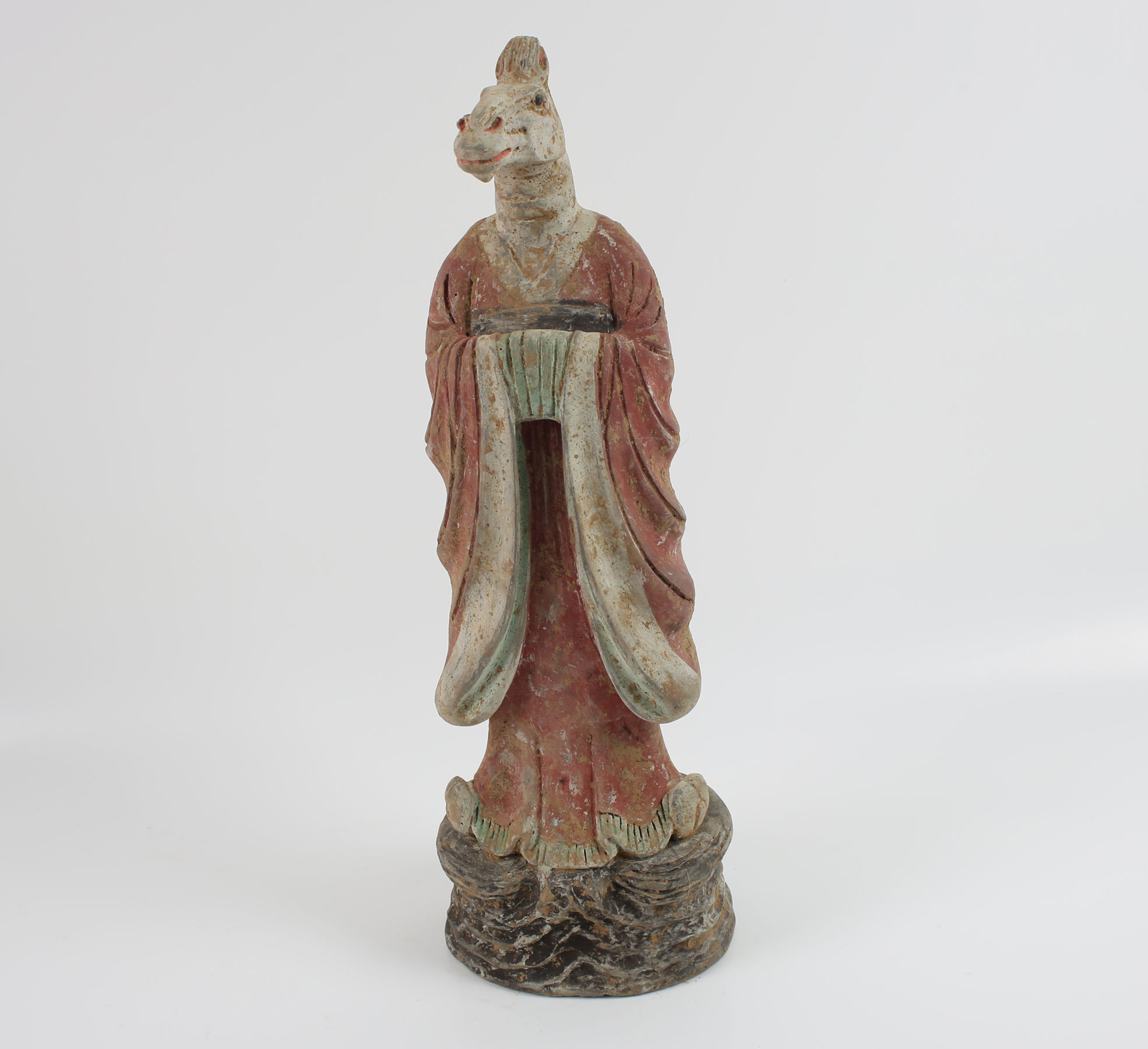








Description
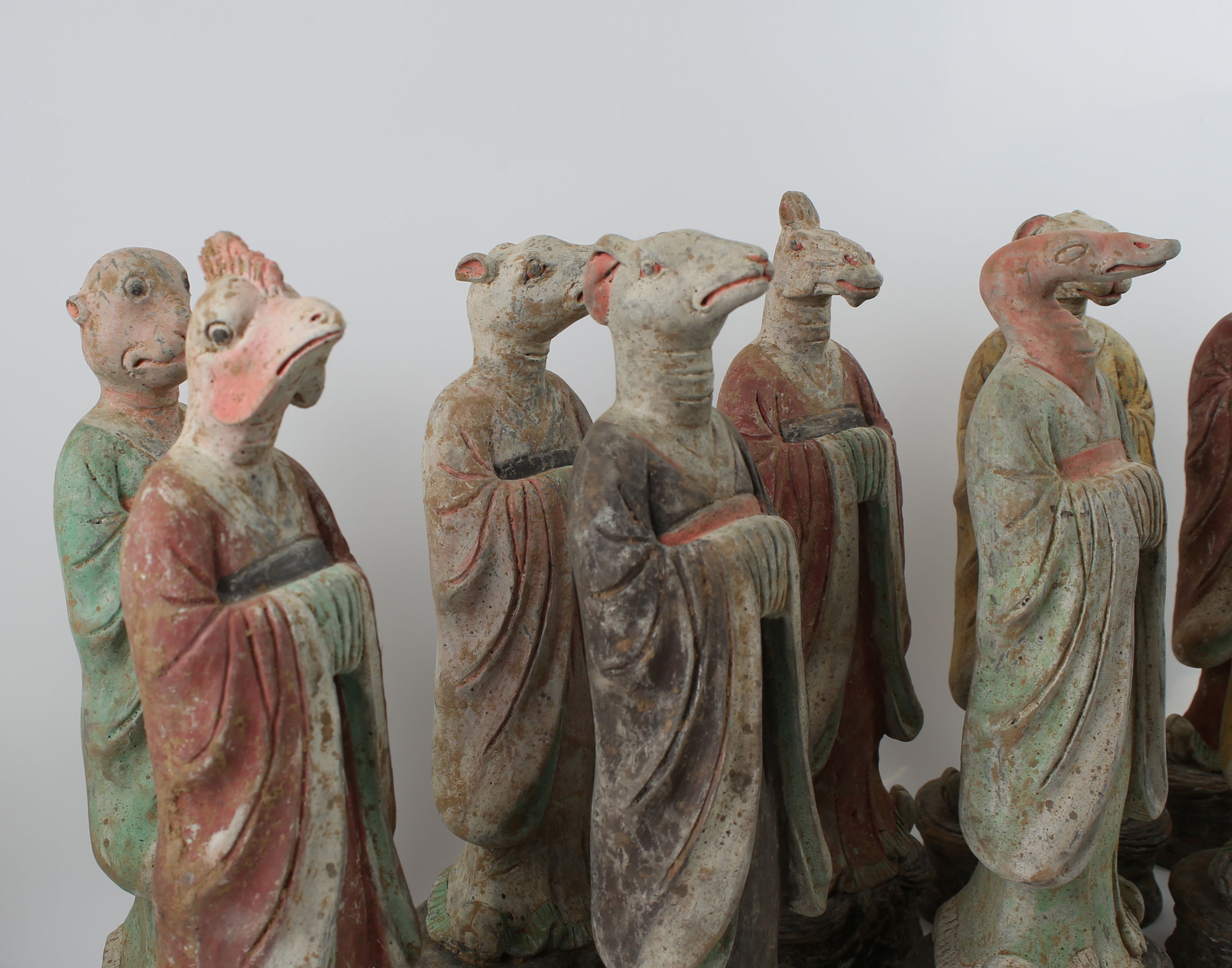
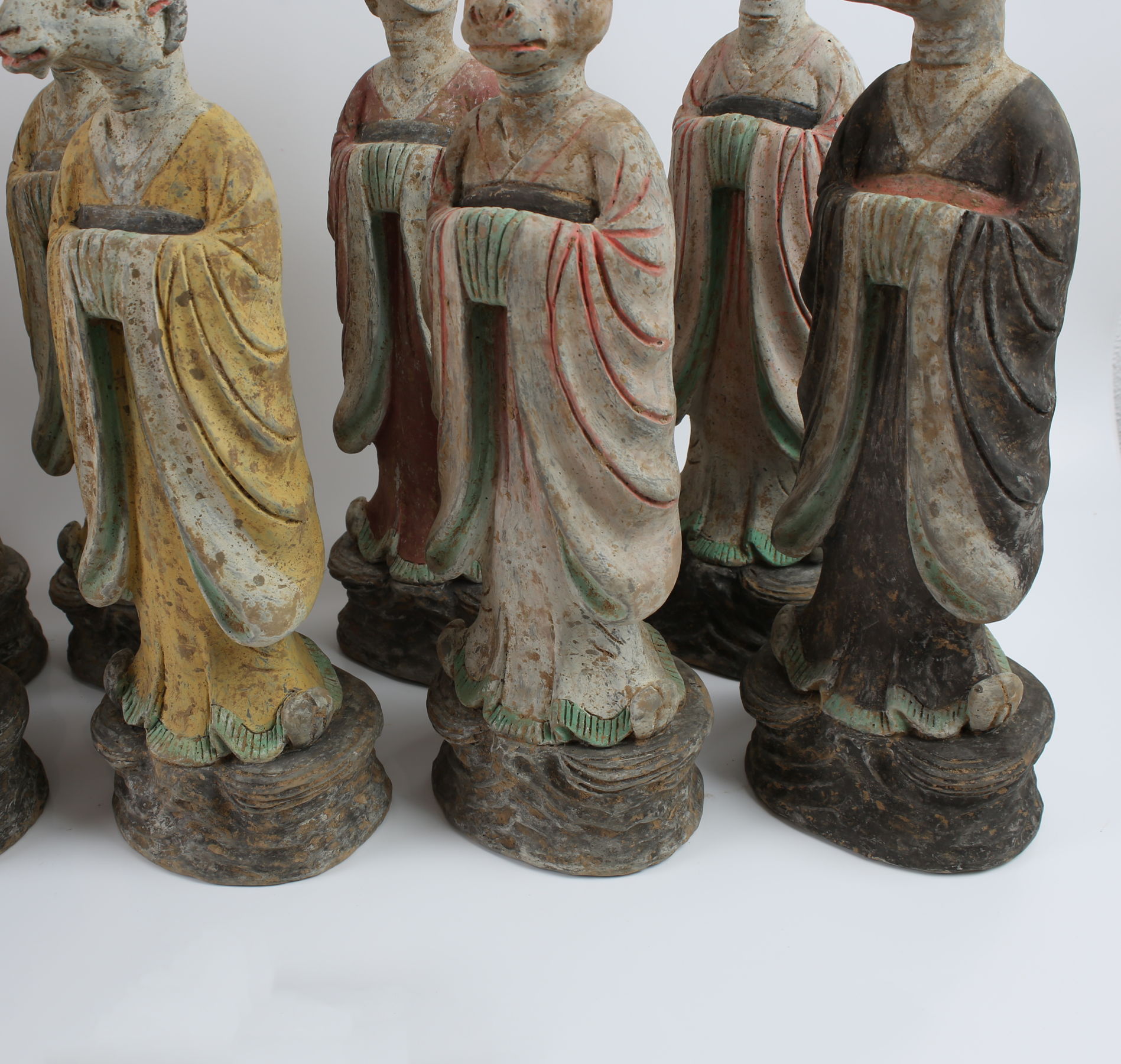
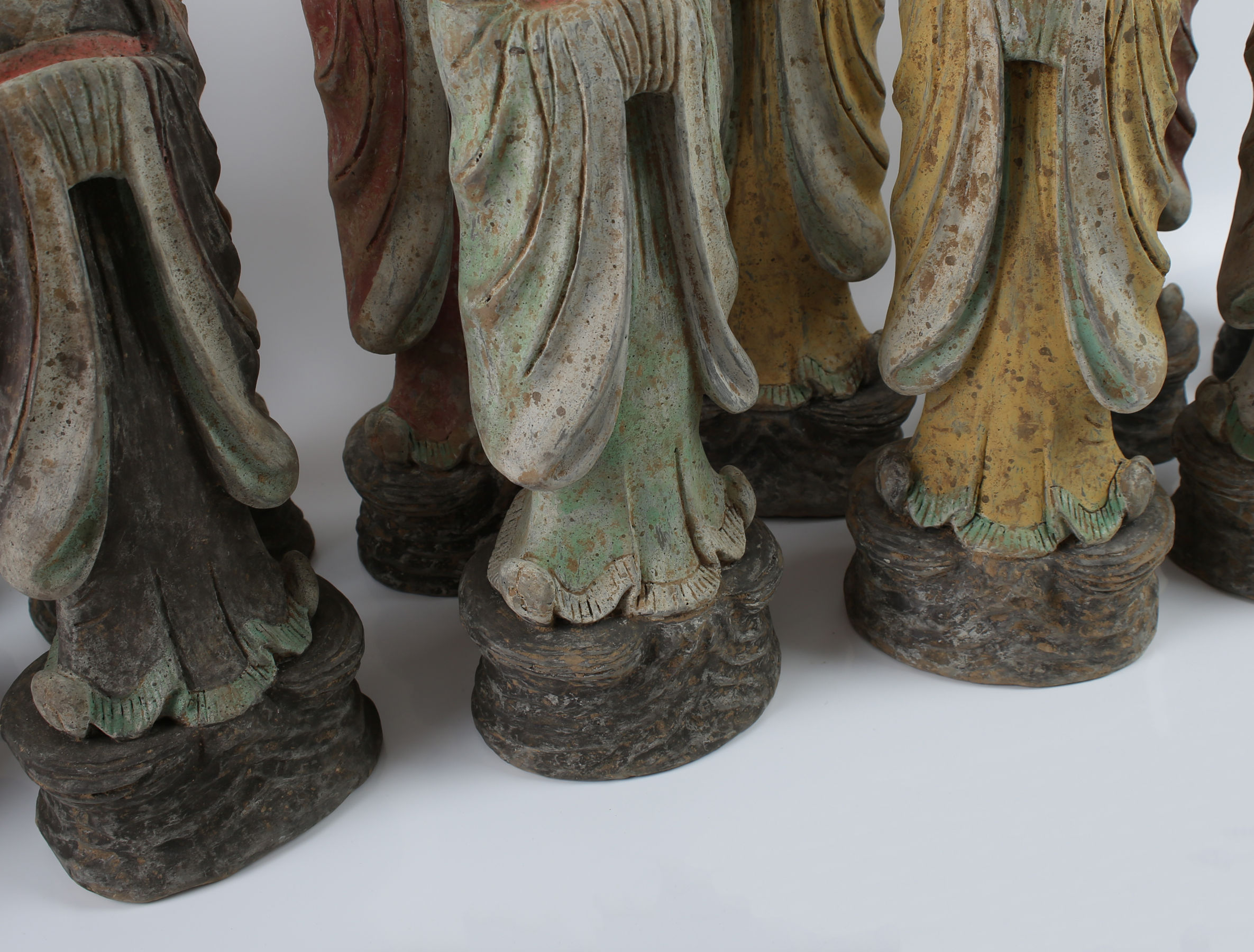
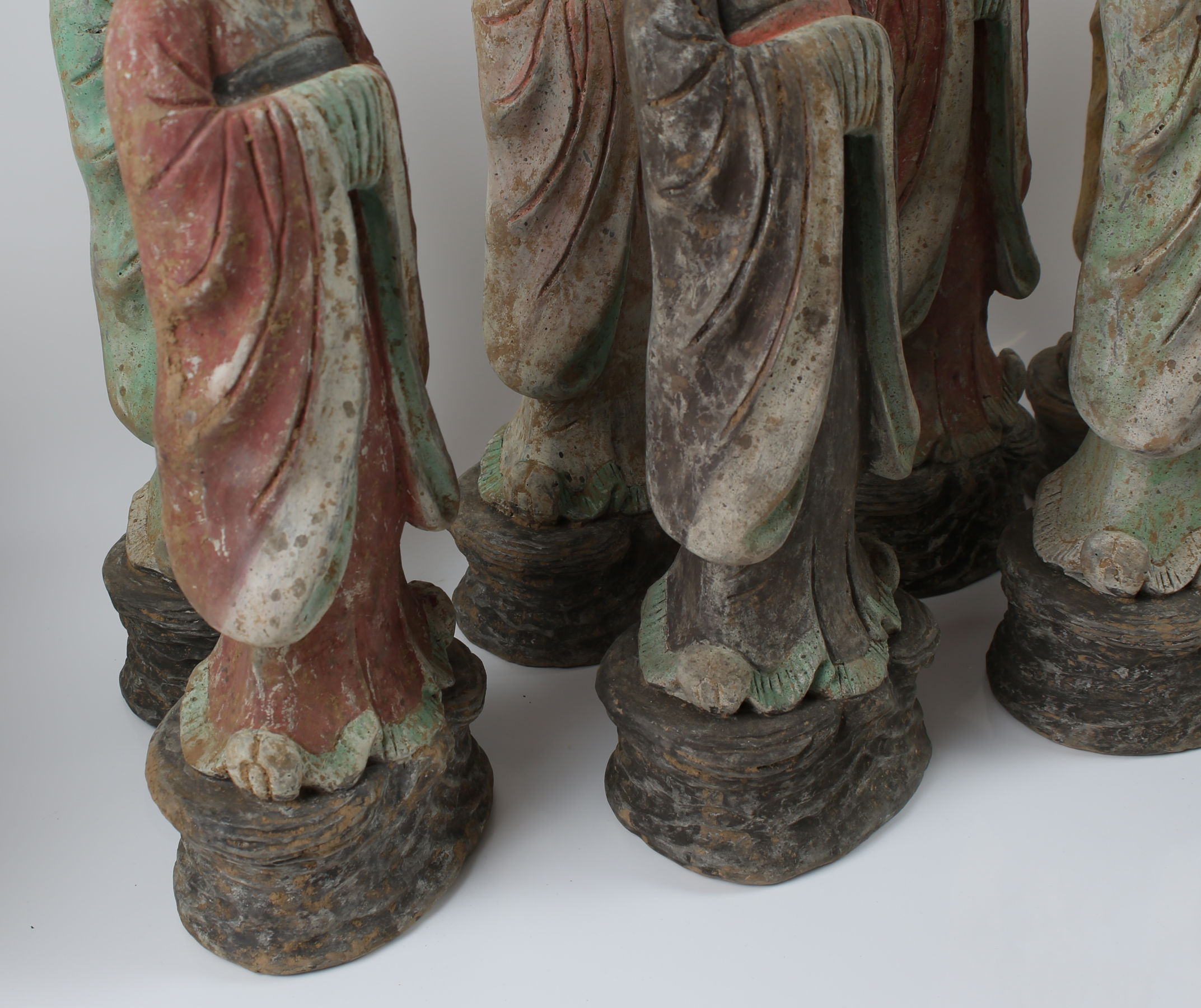
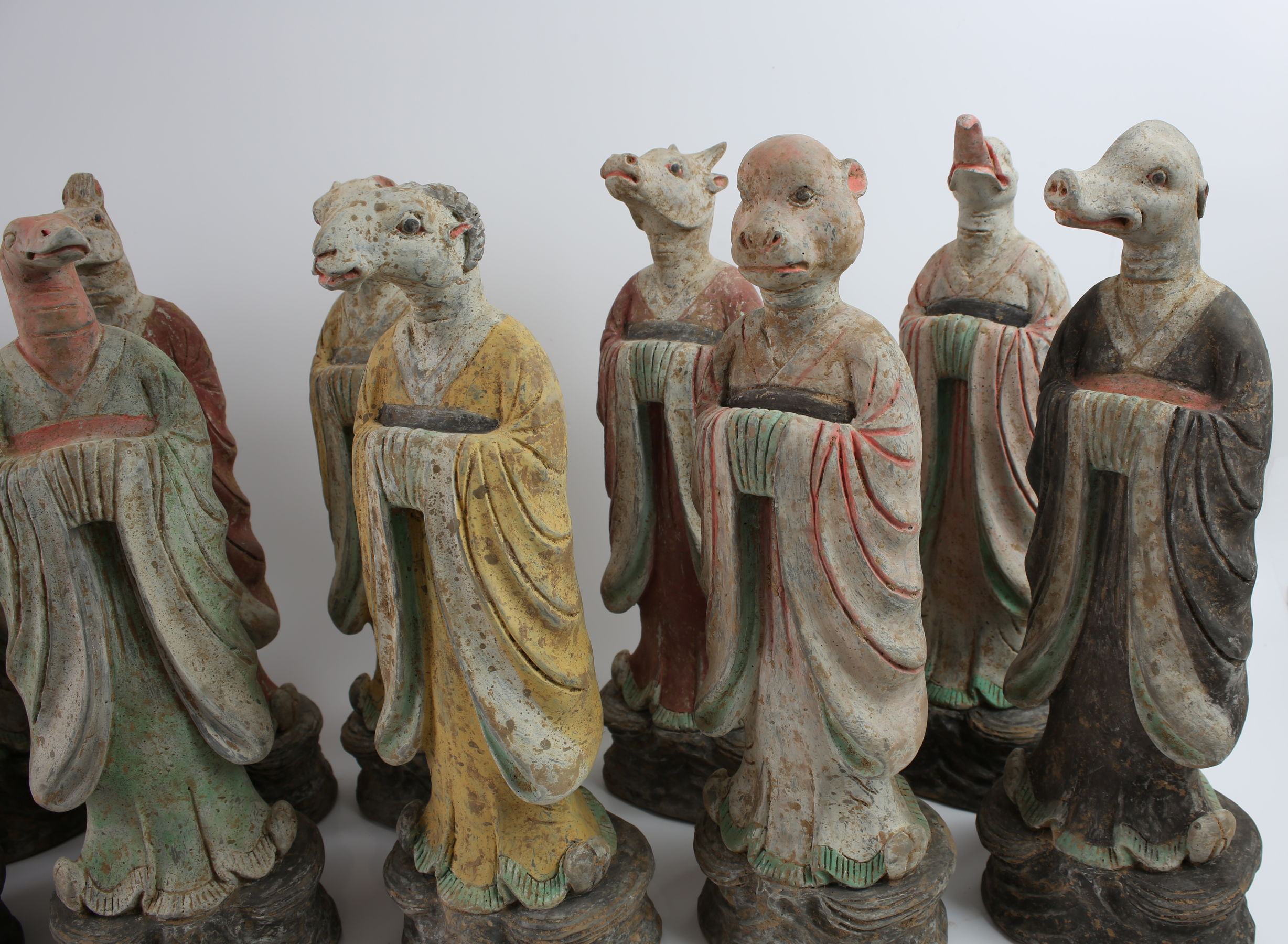
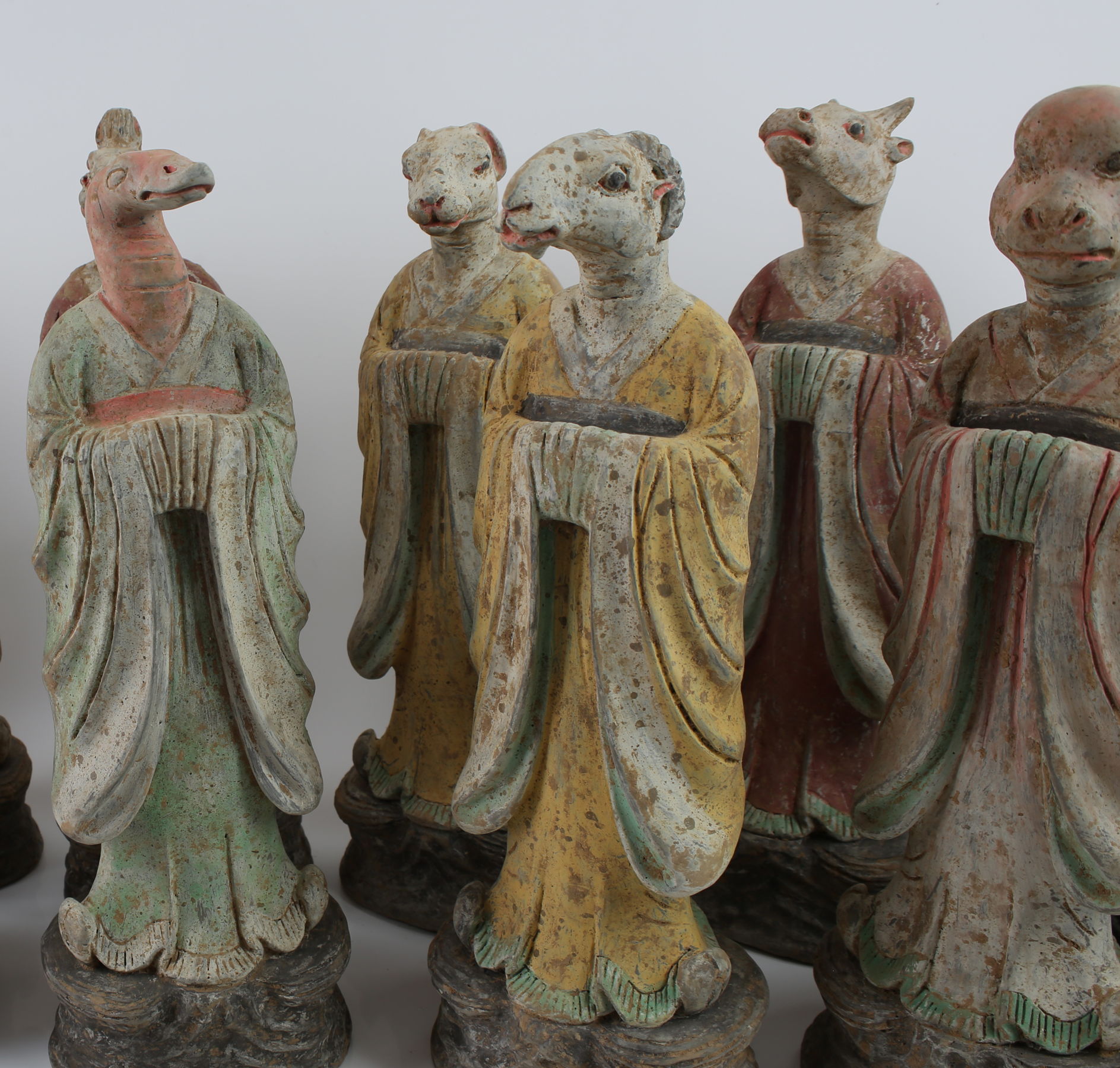
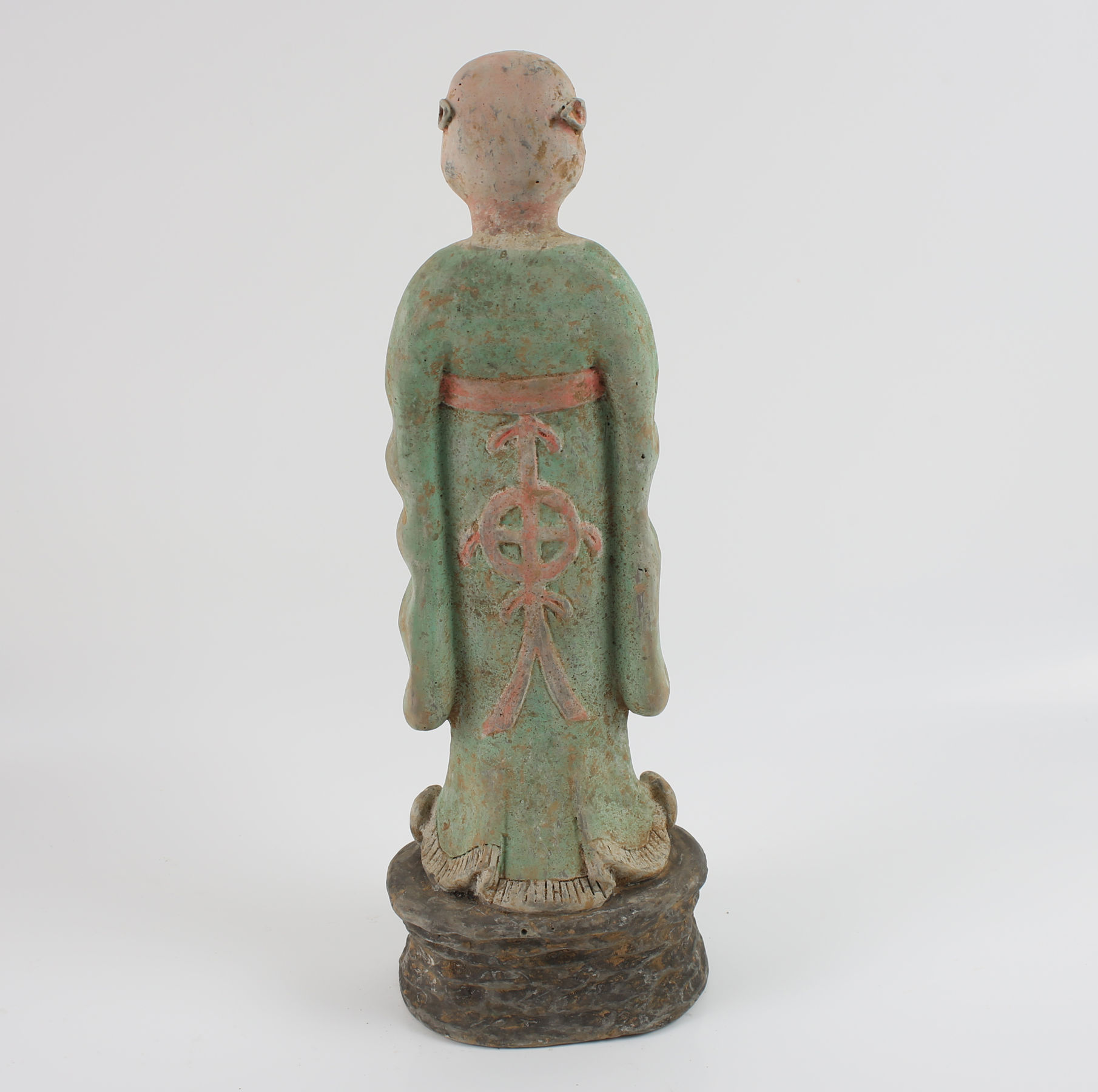
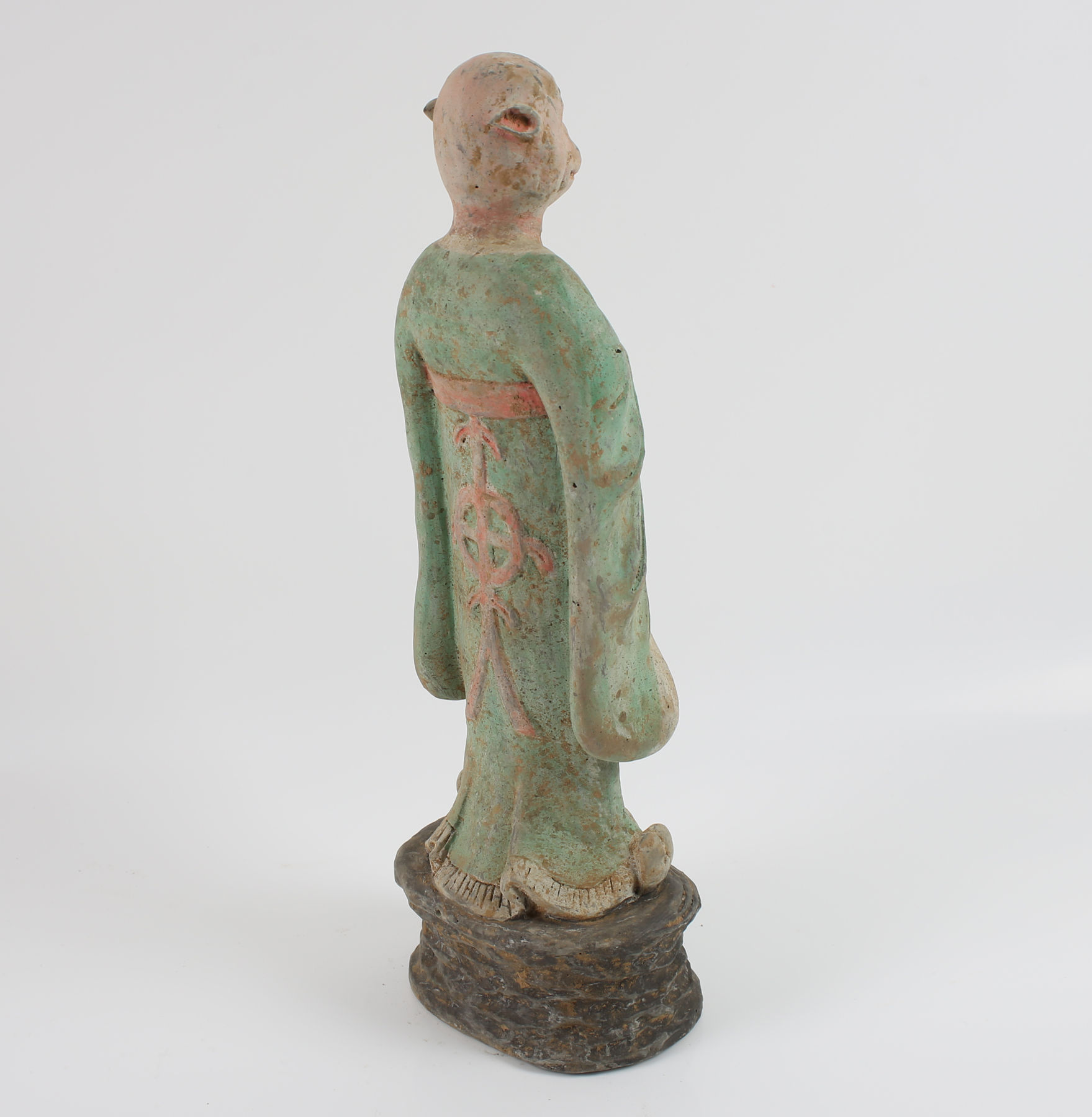
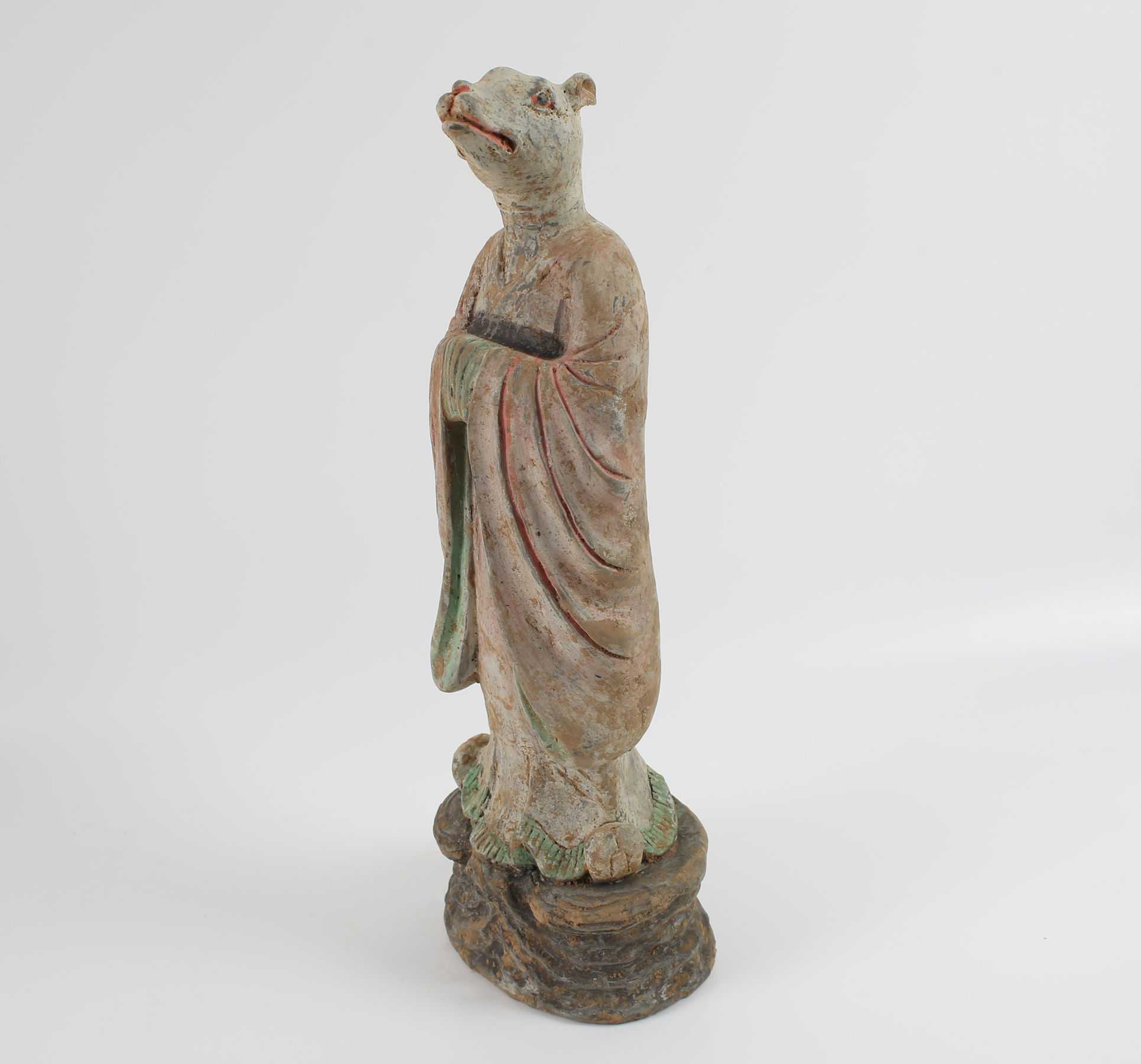
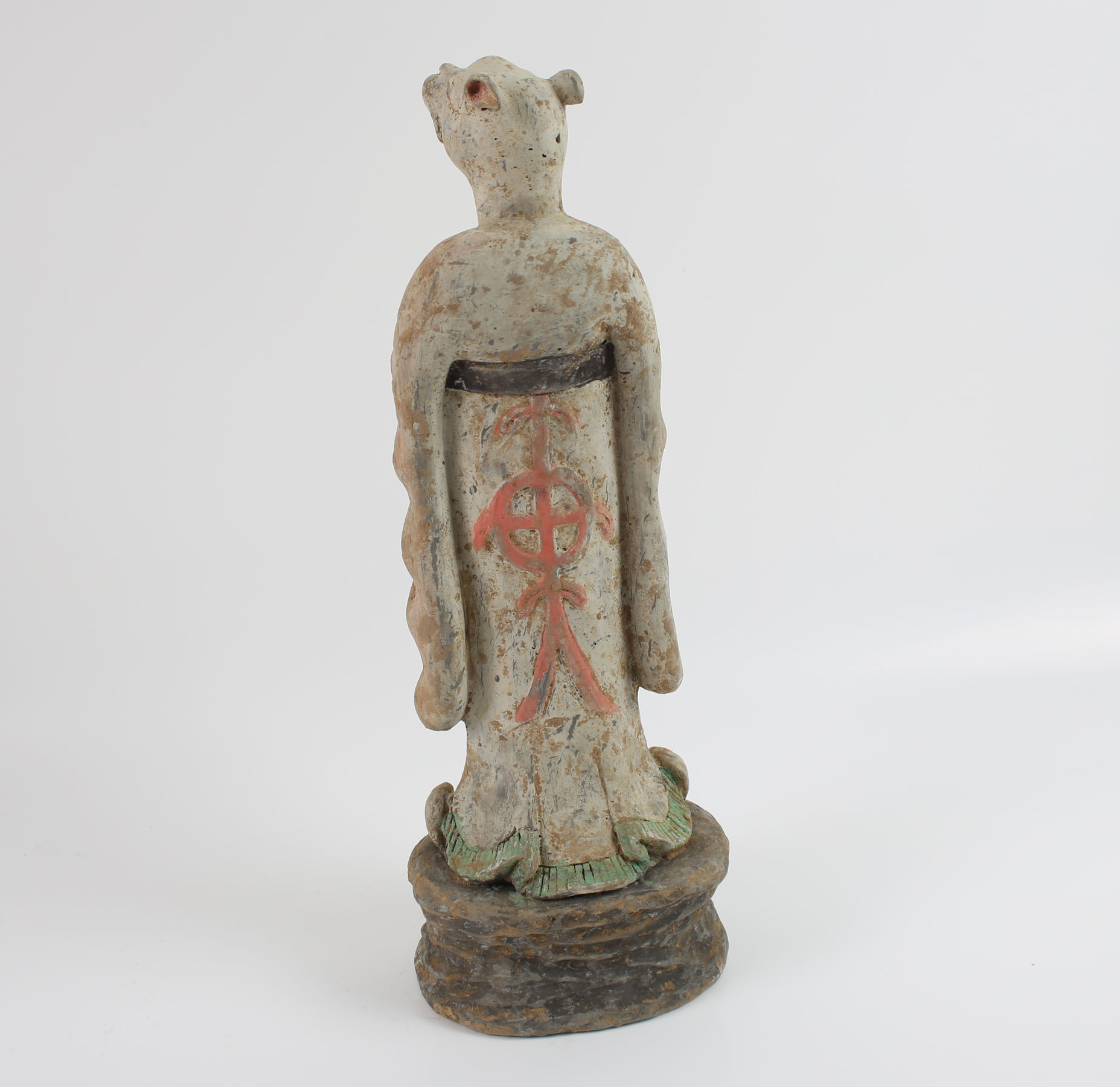
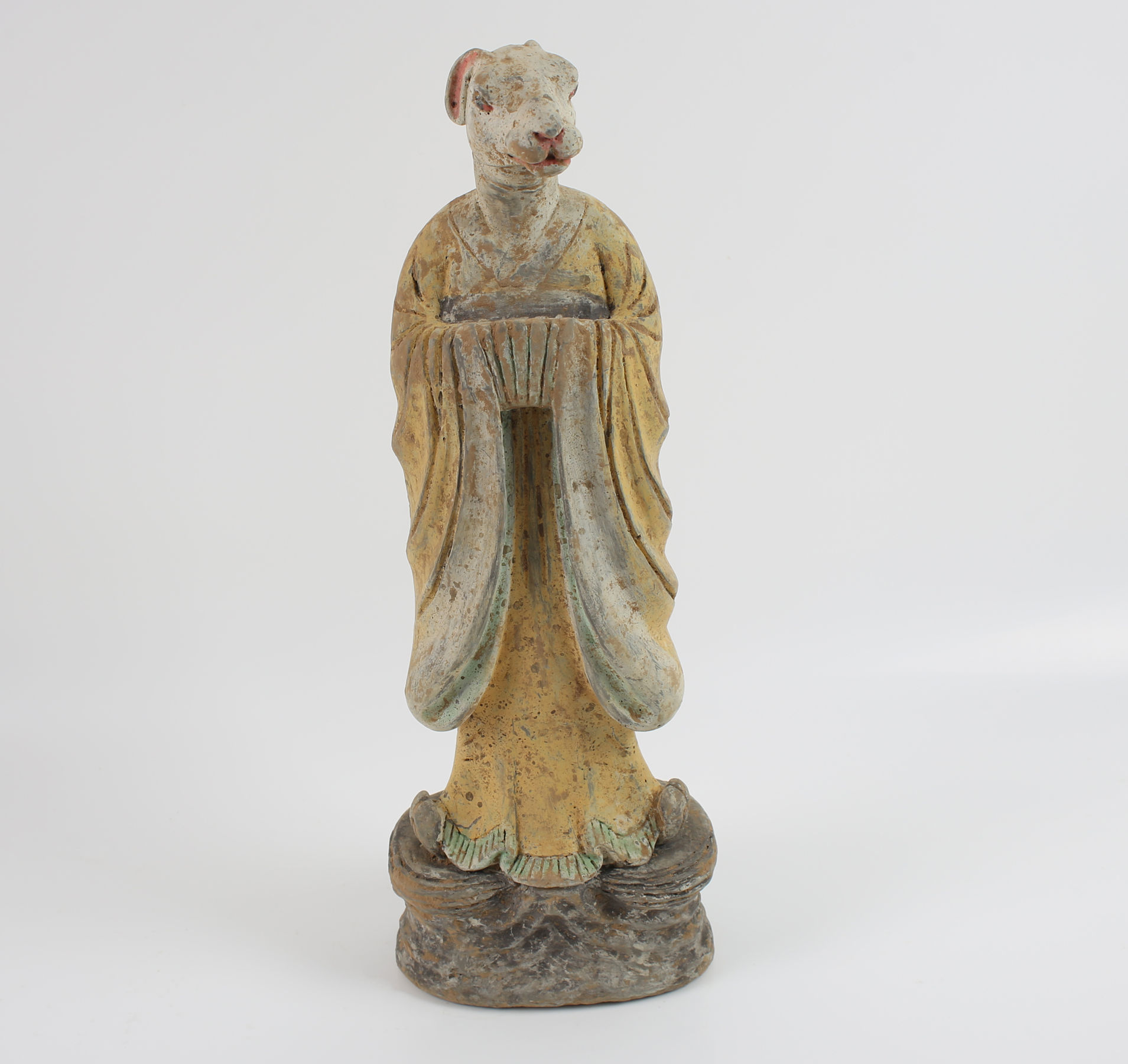
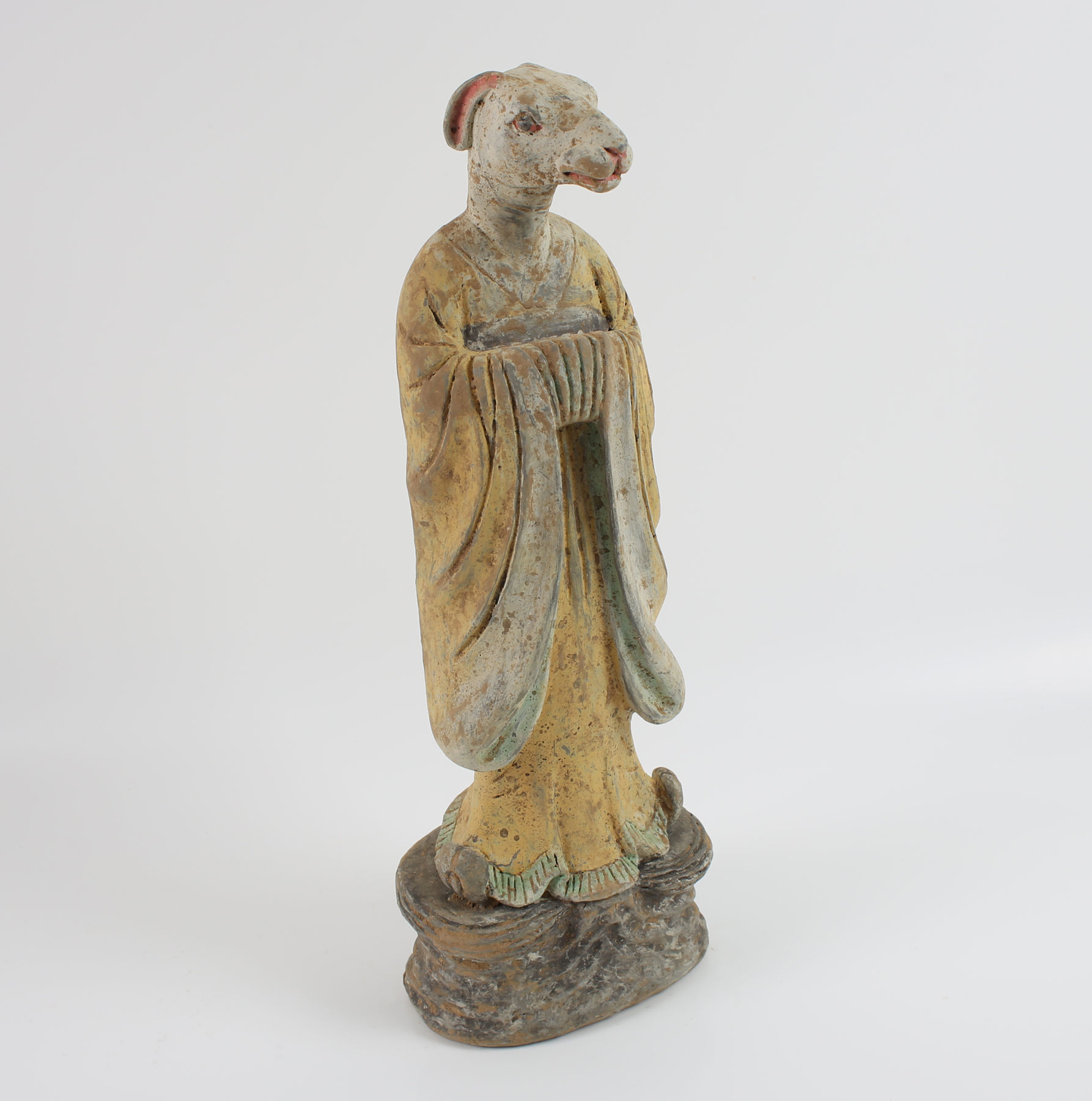
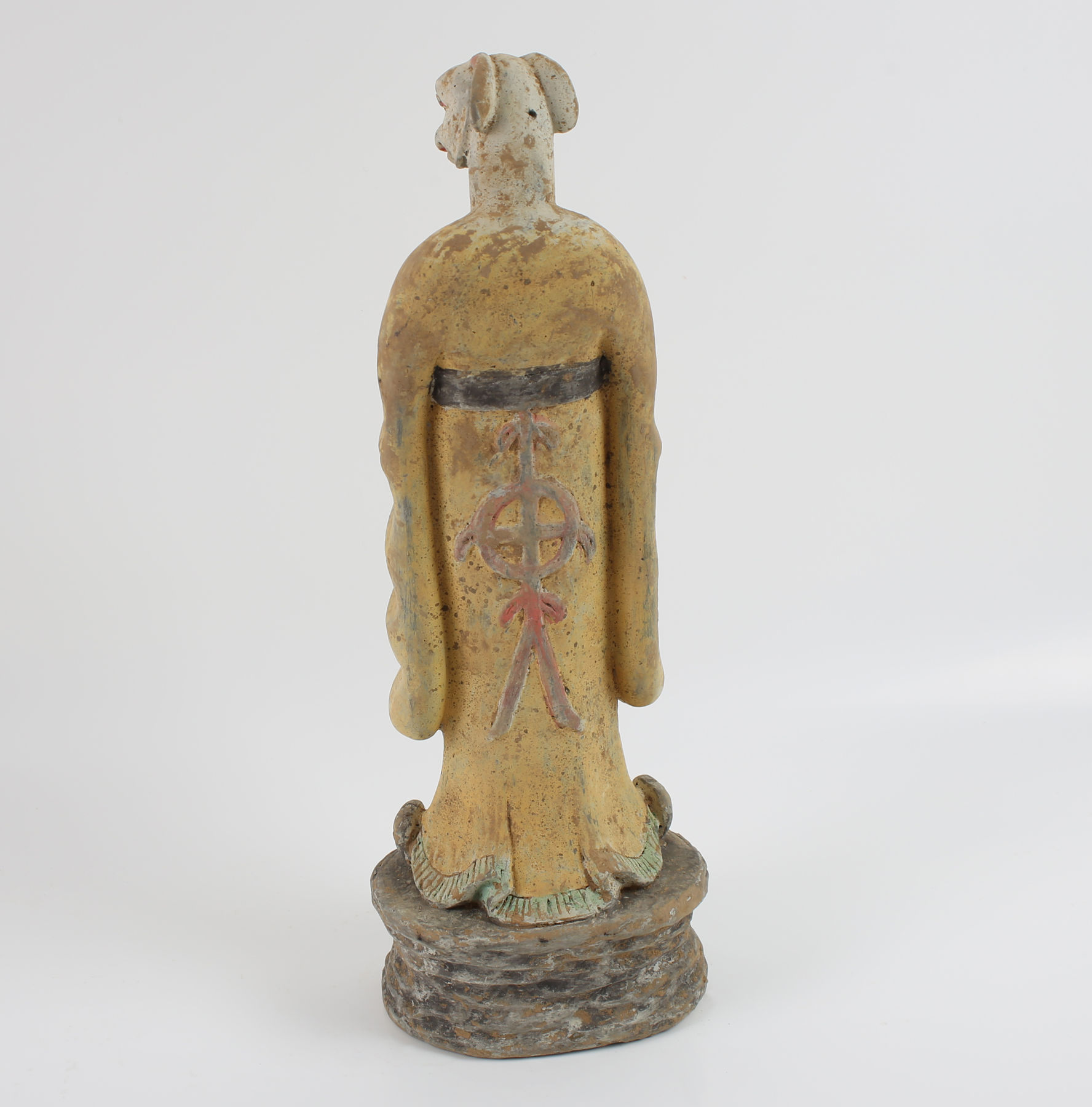
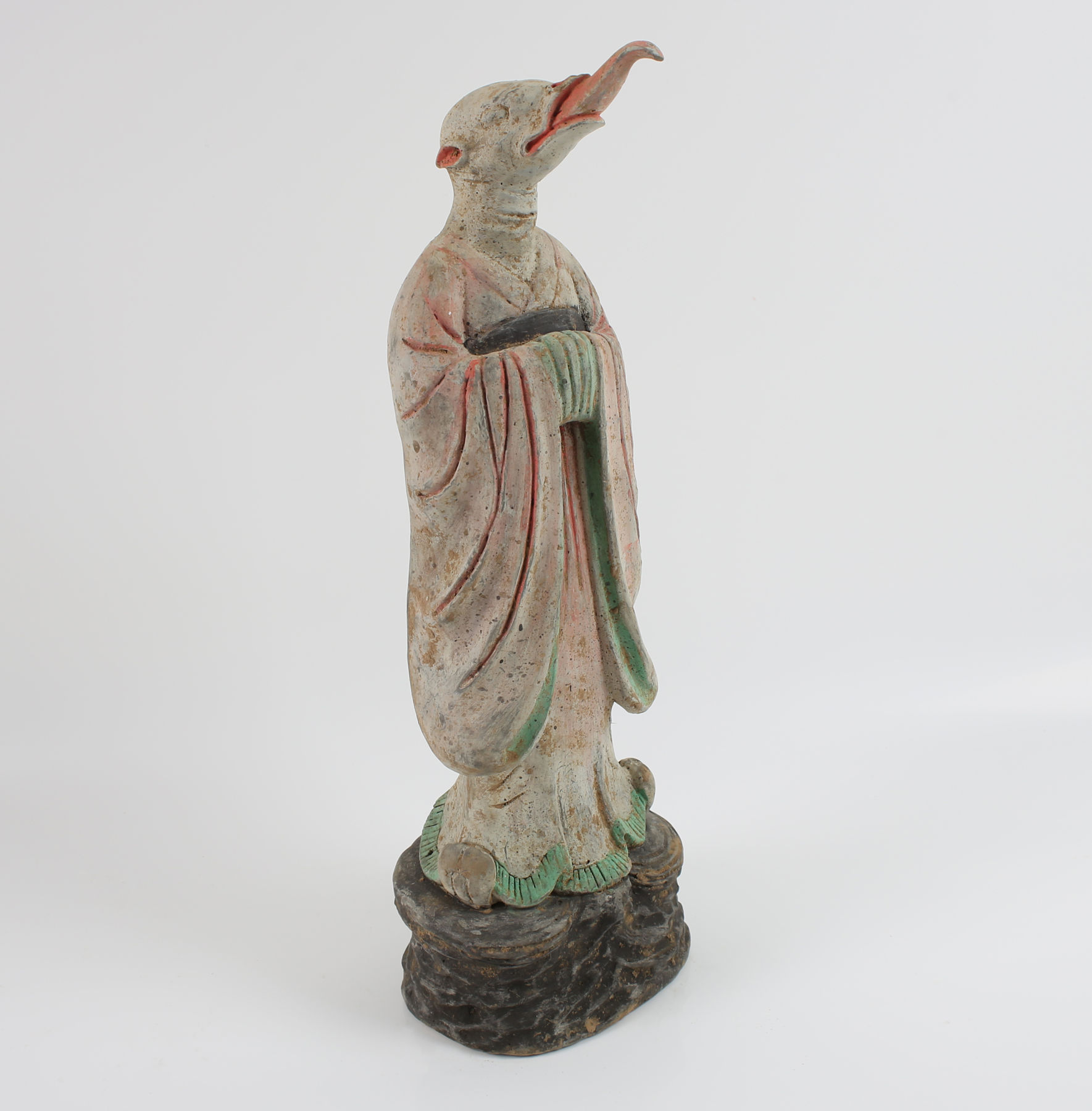
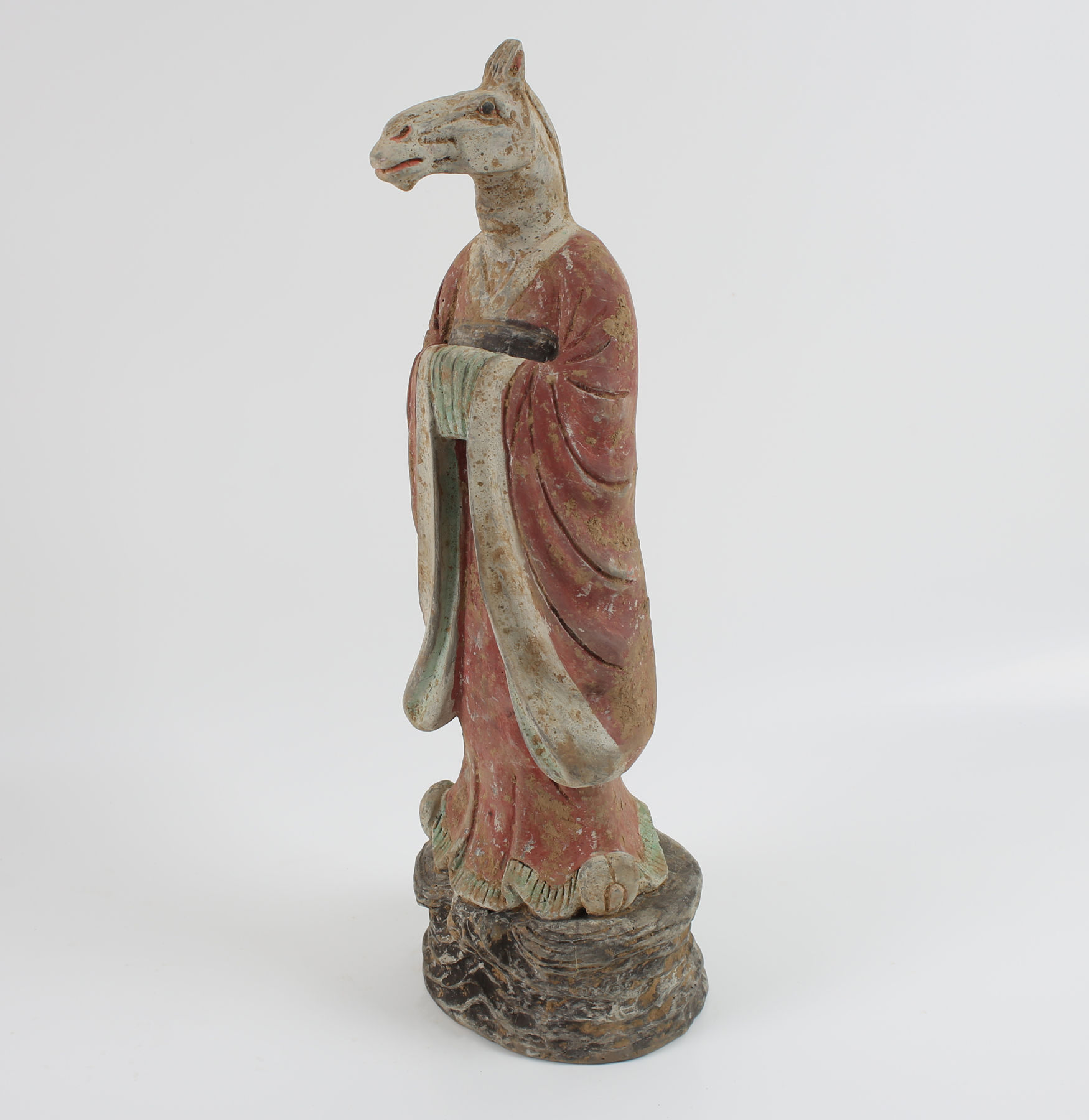
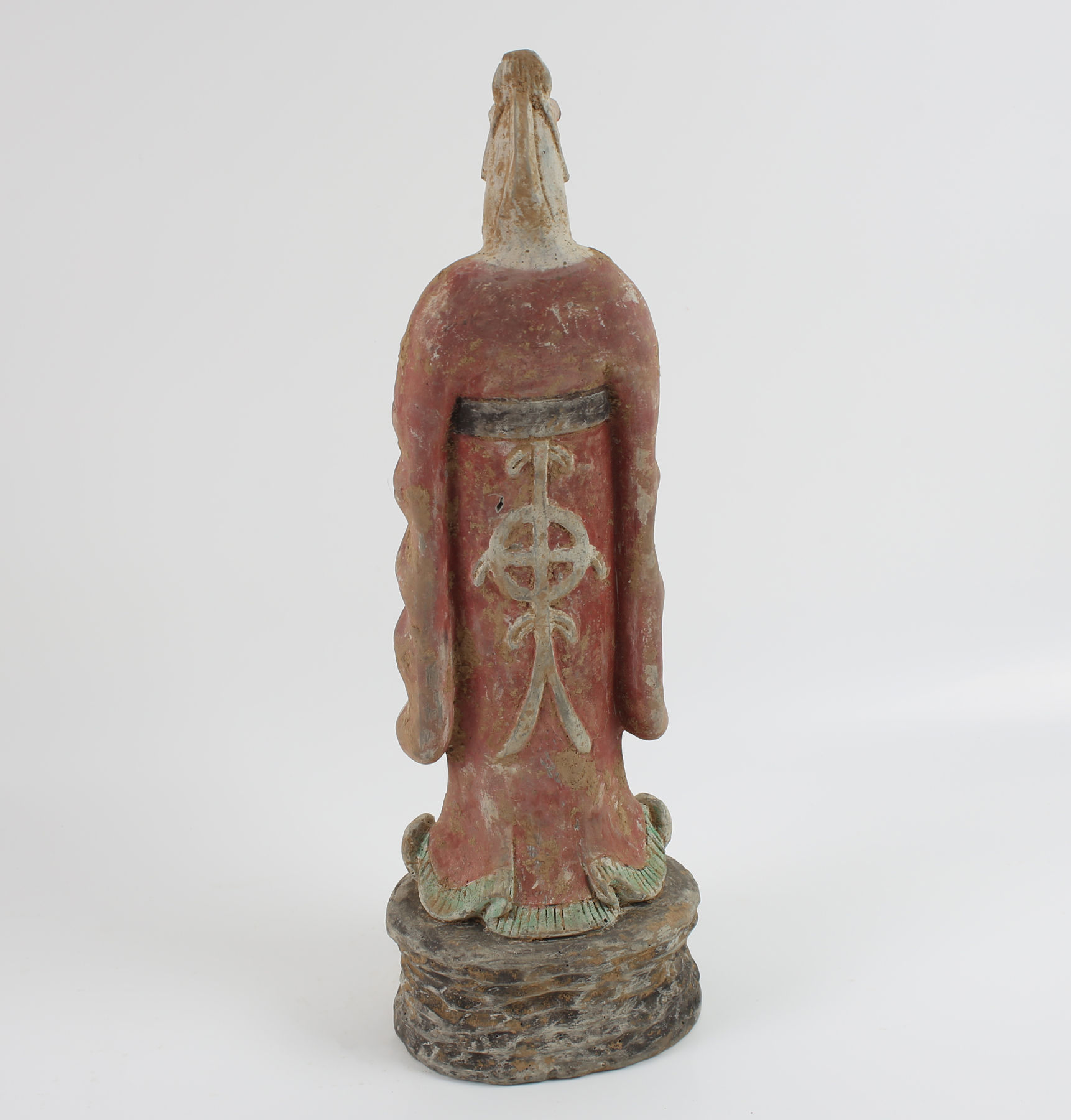
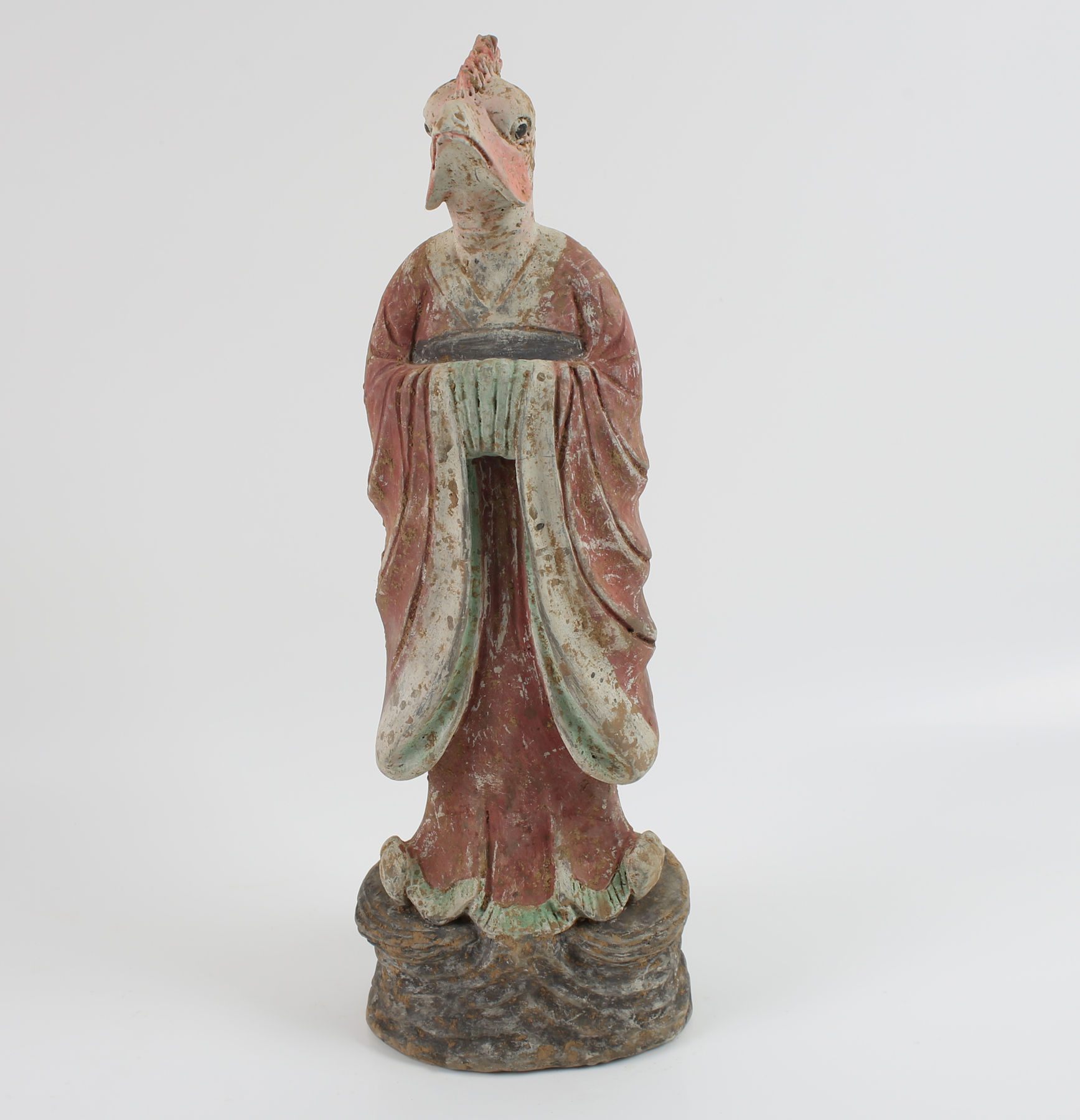
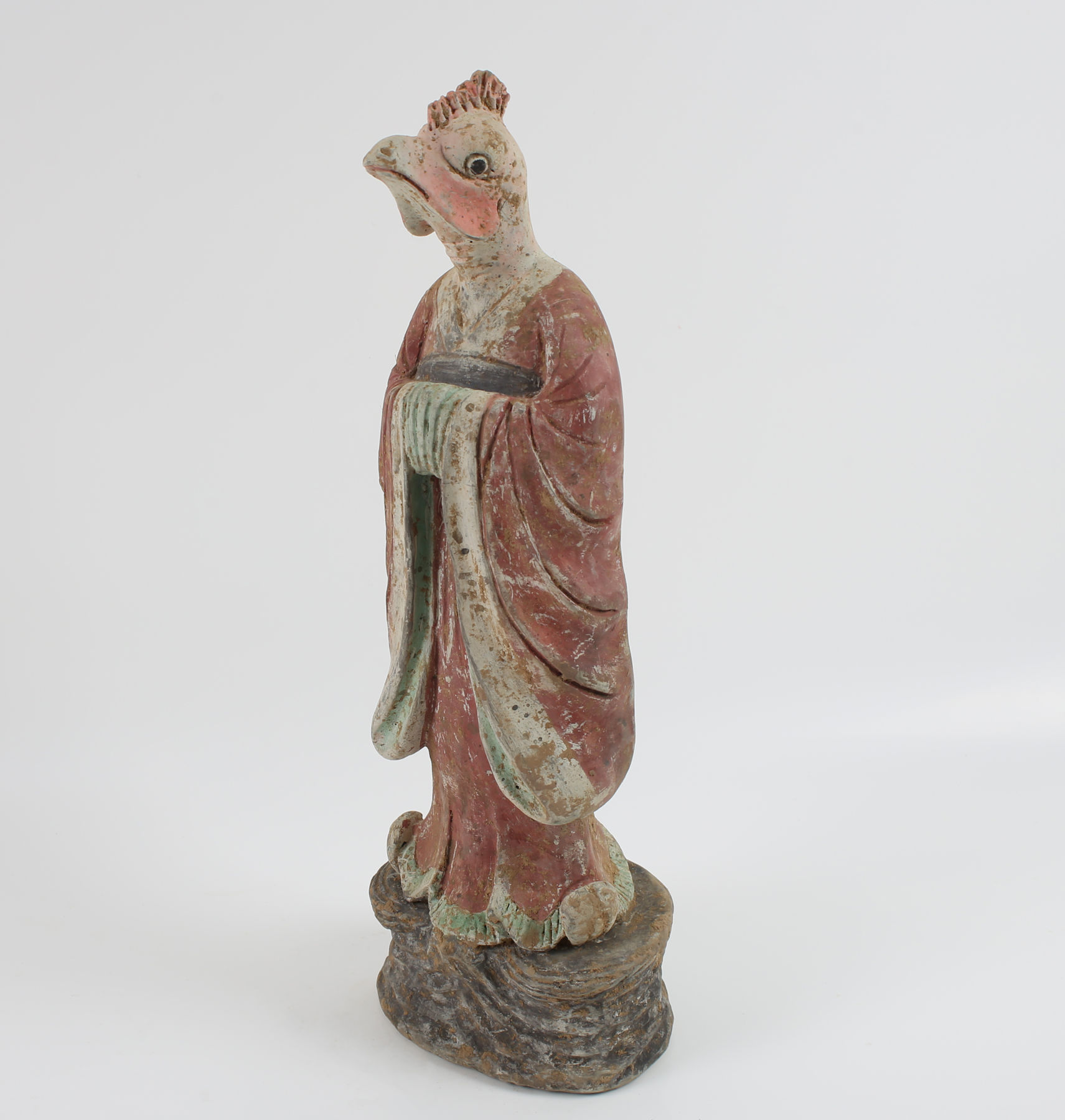
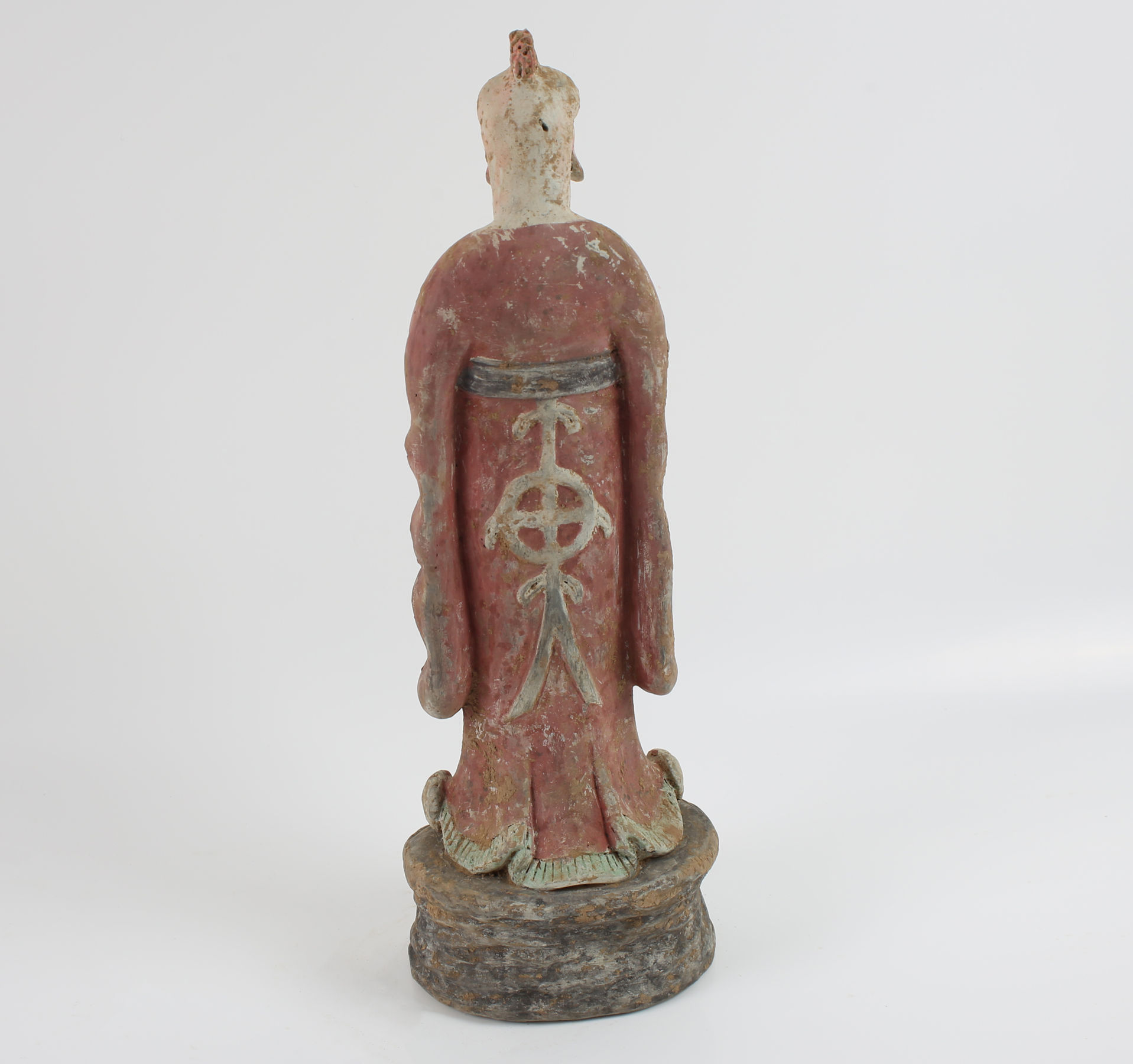
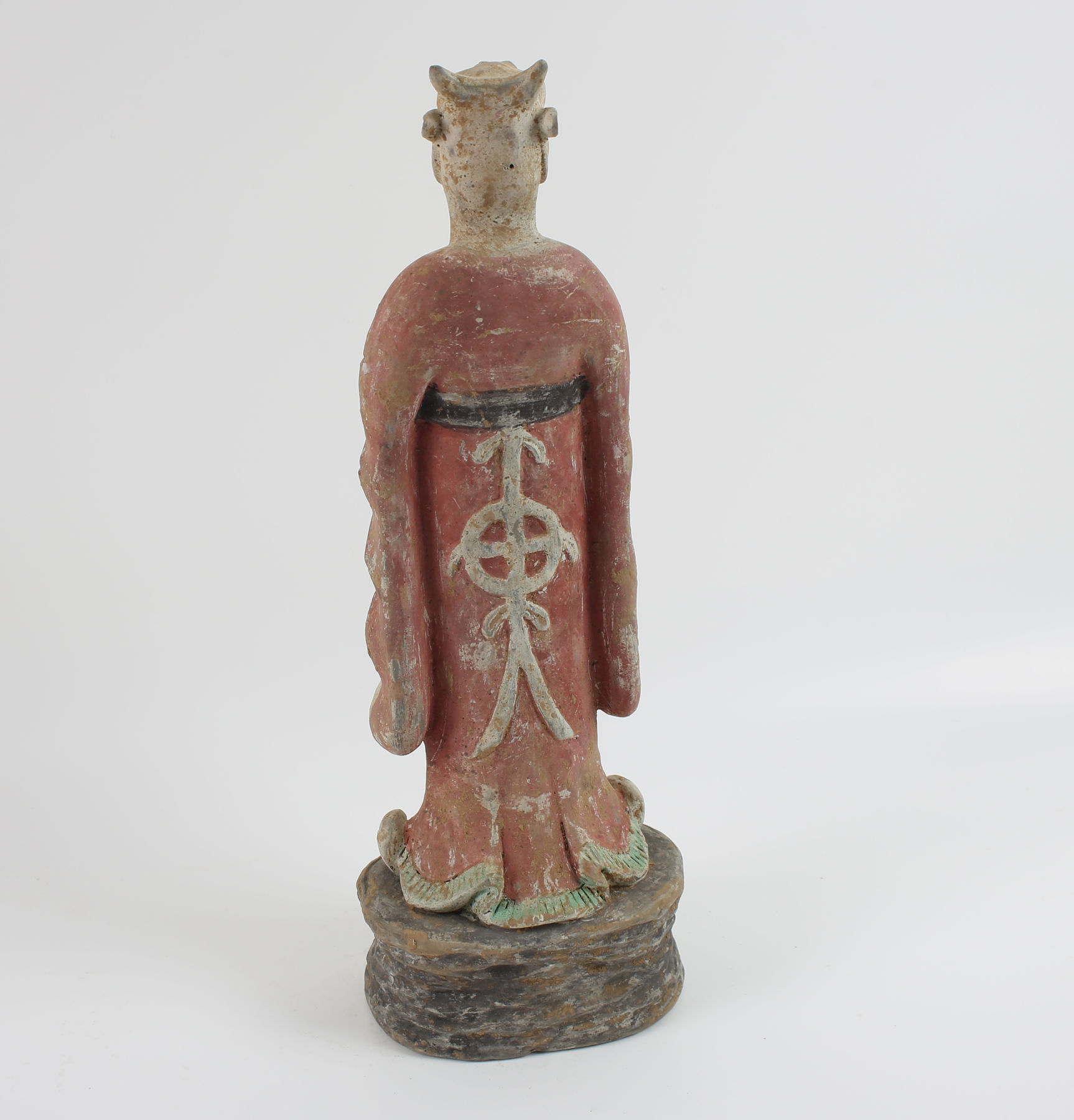
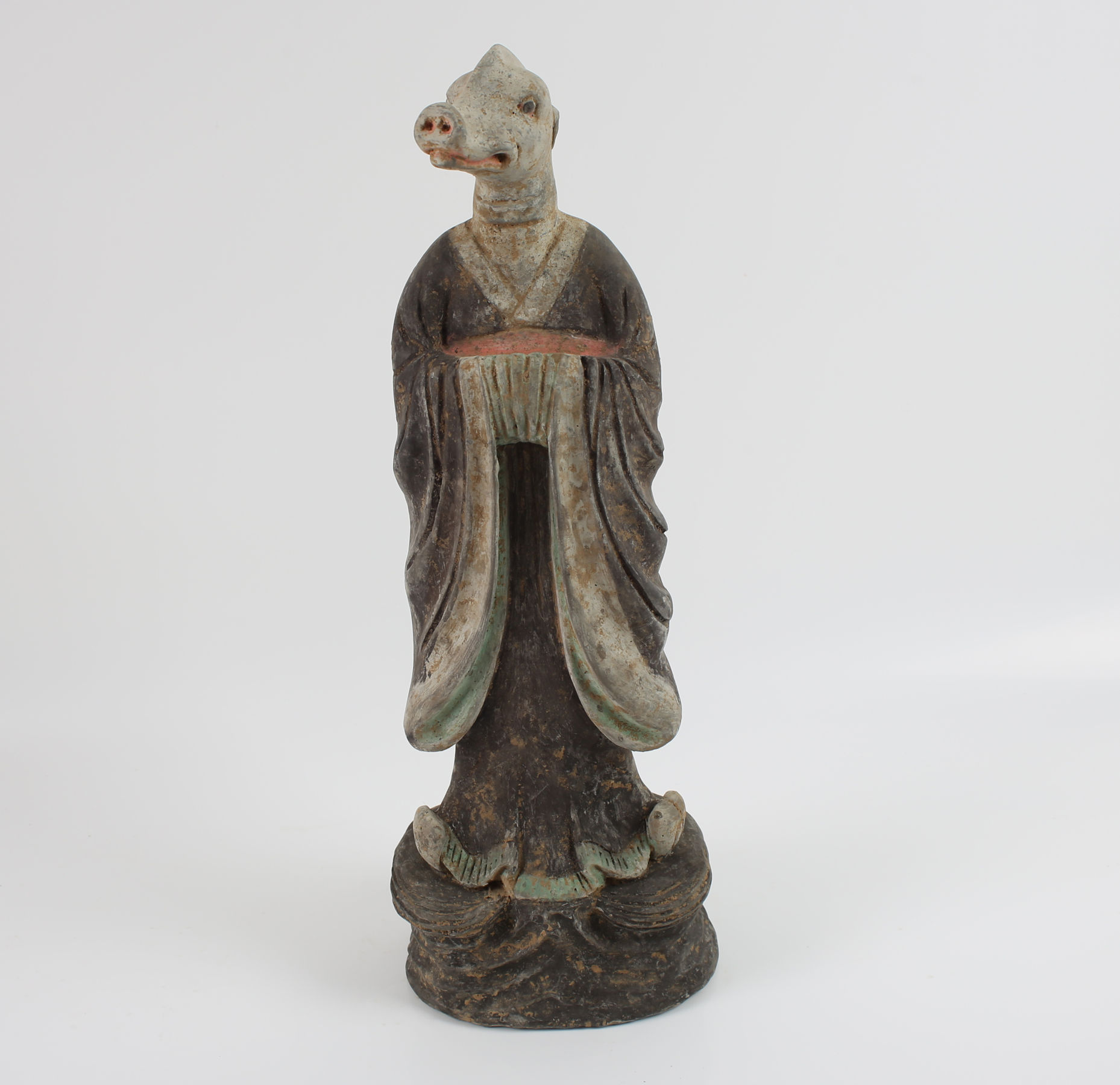
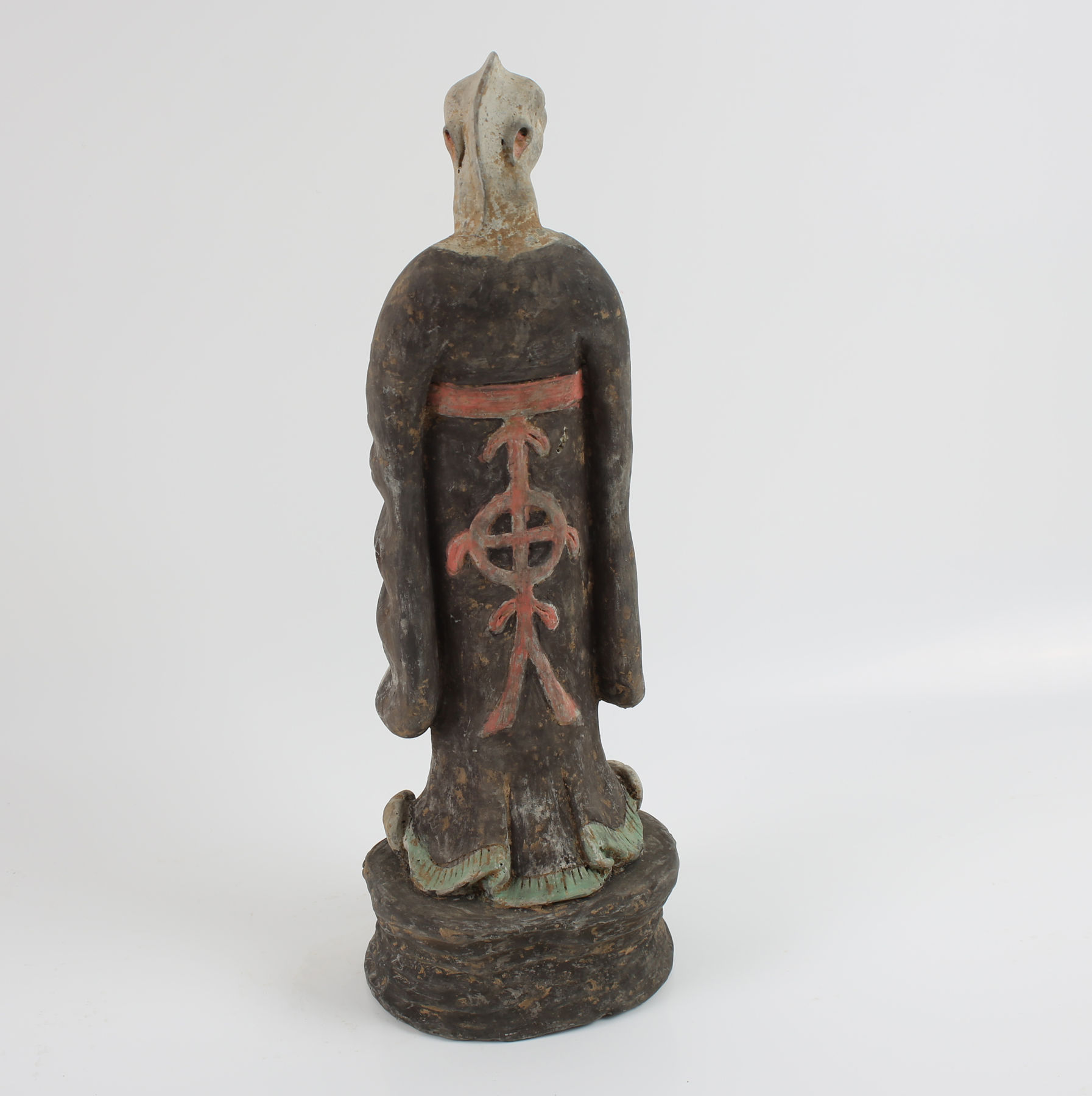
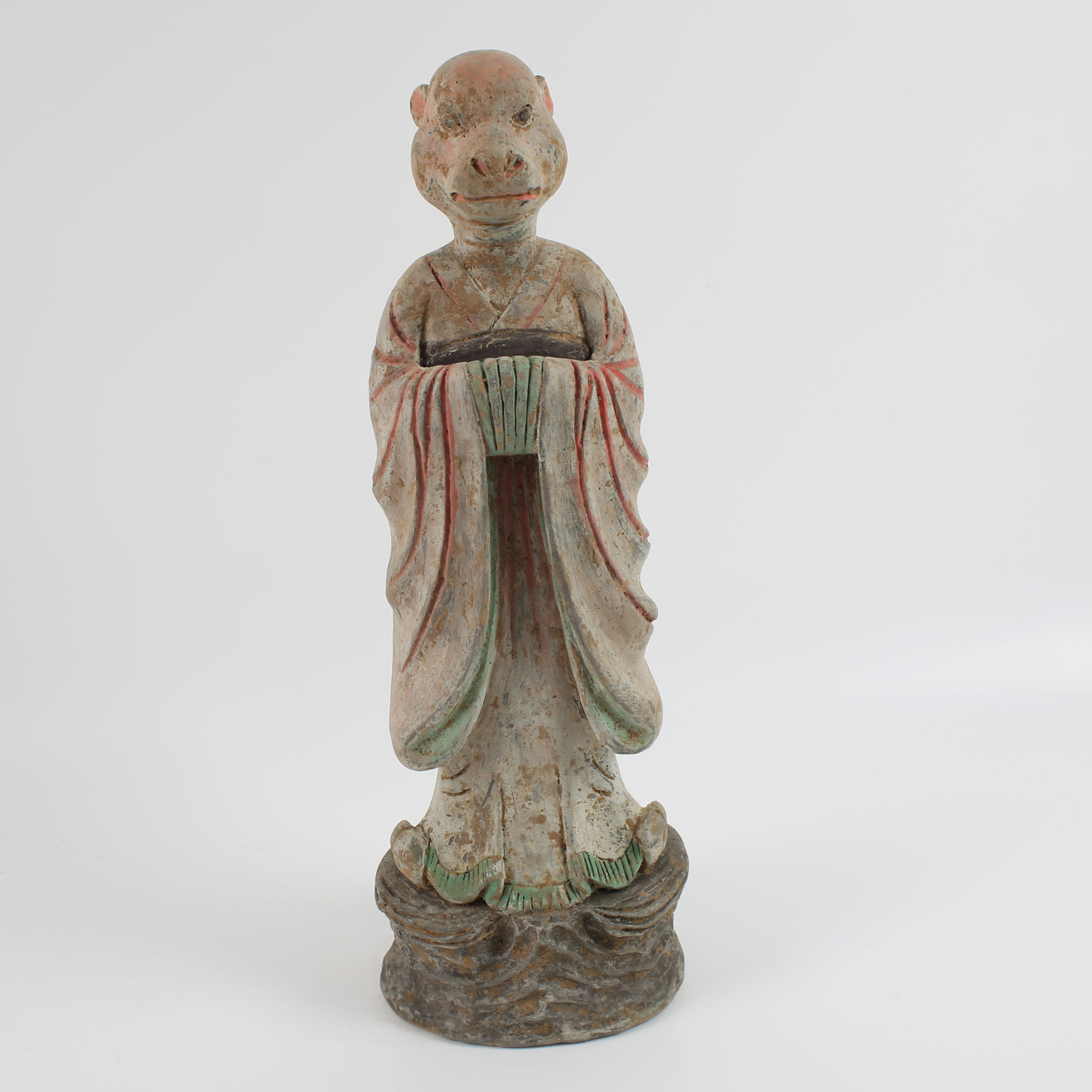
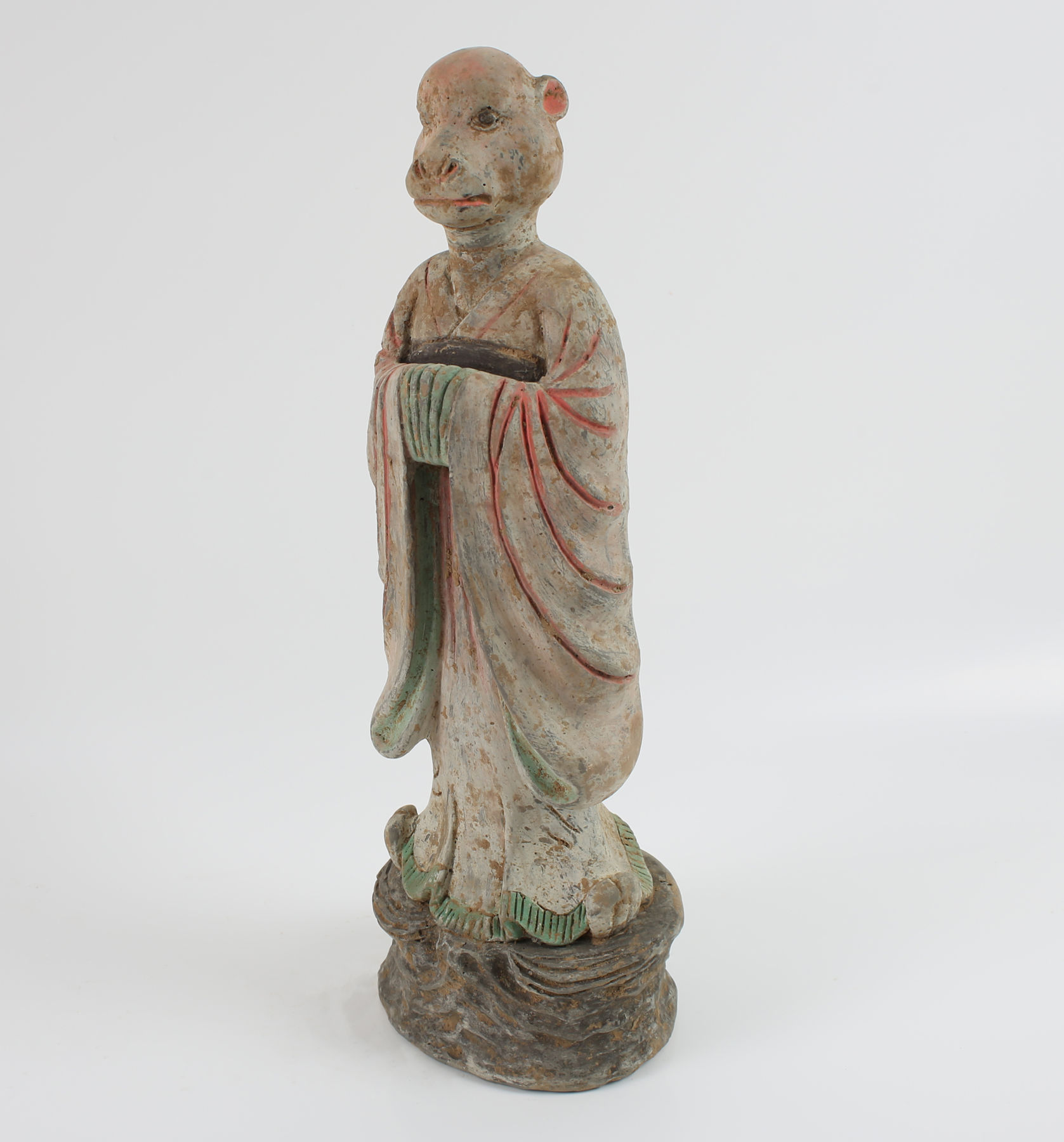
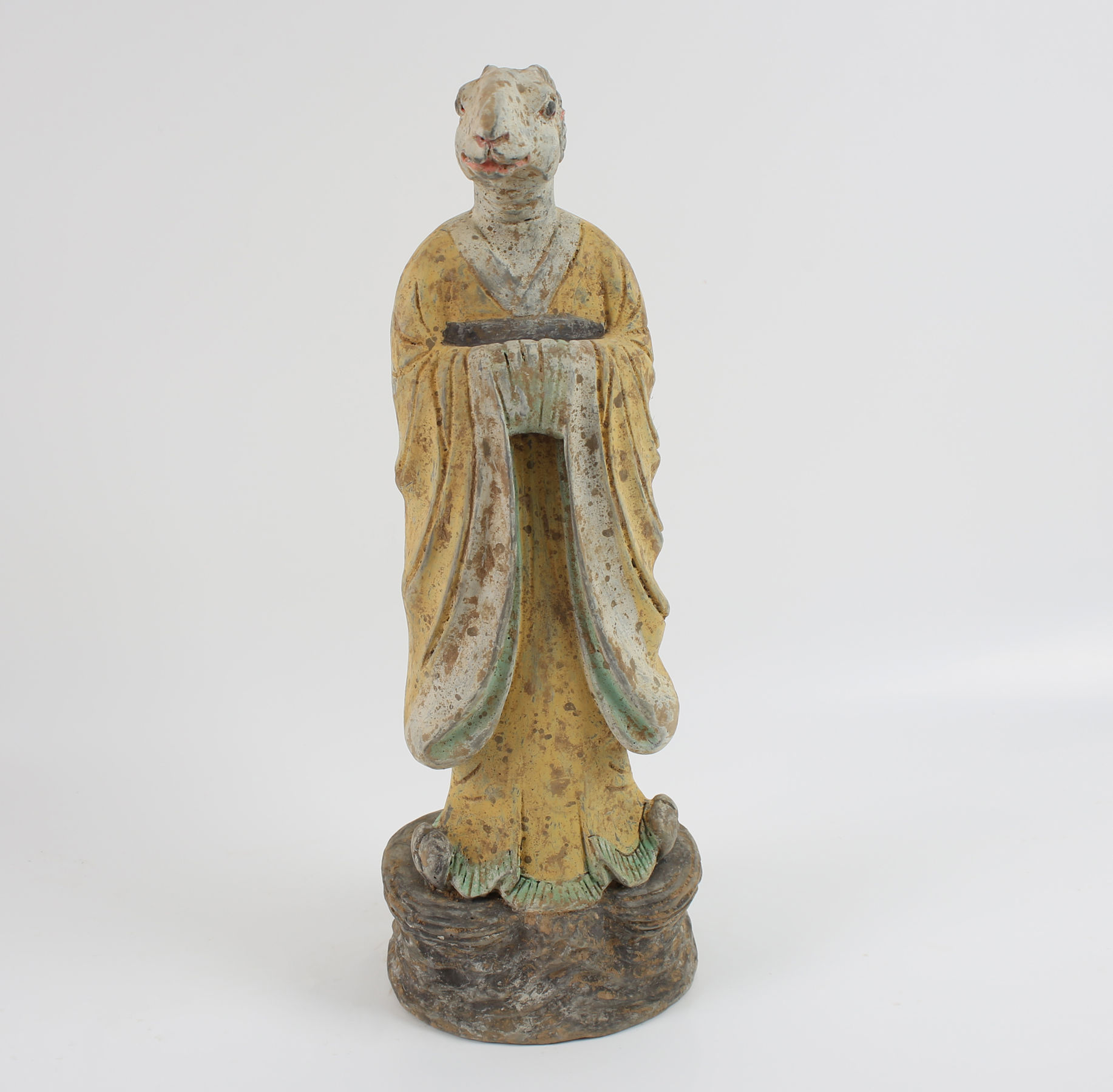
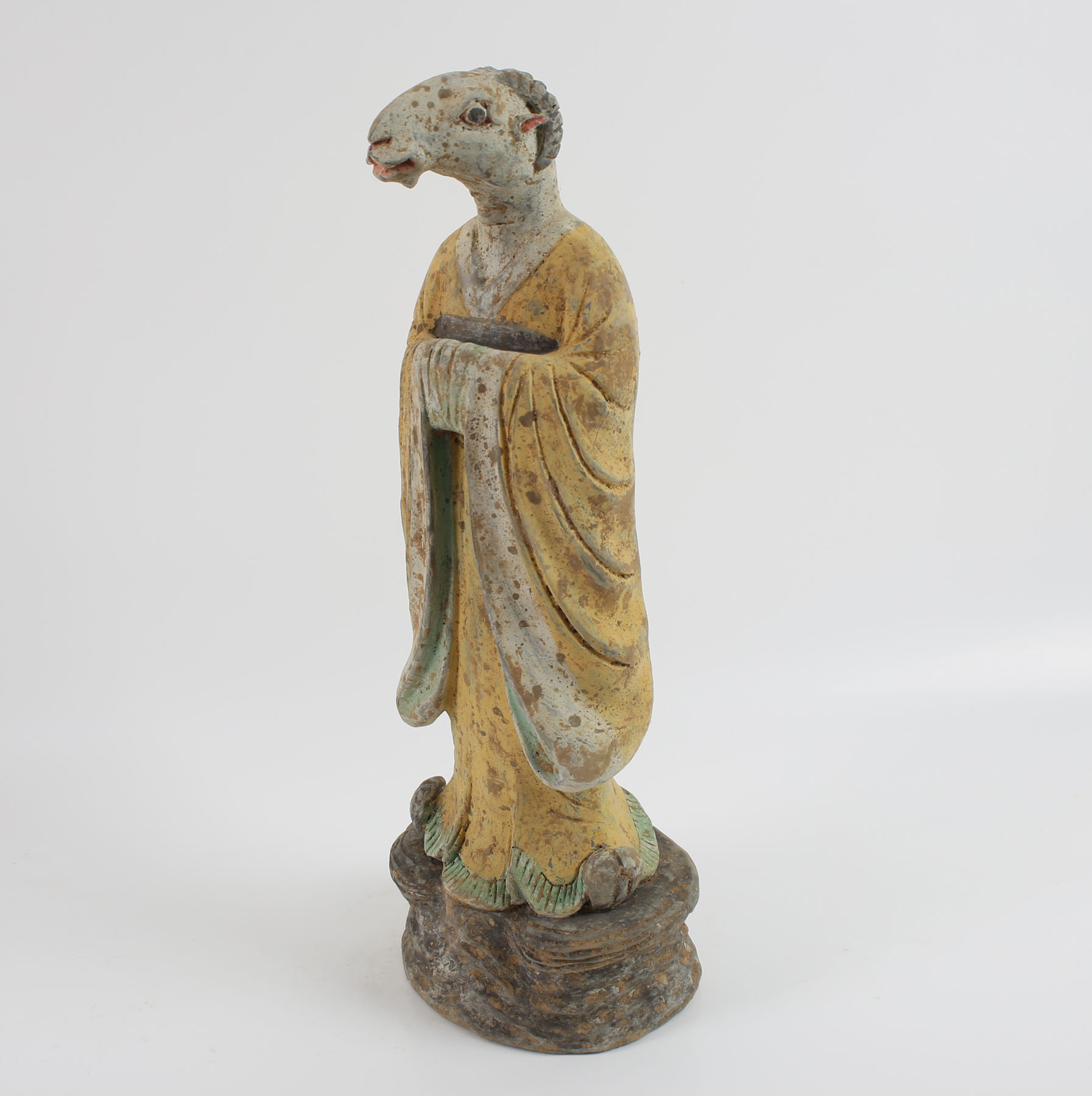
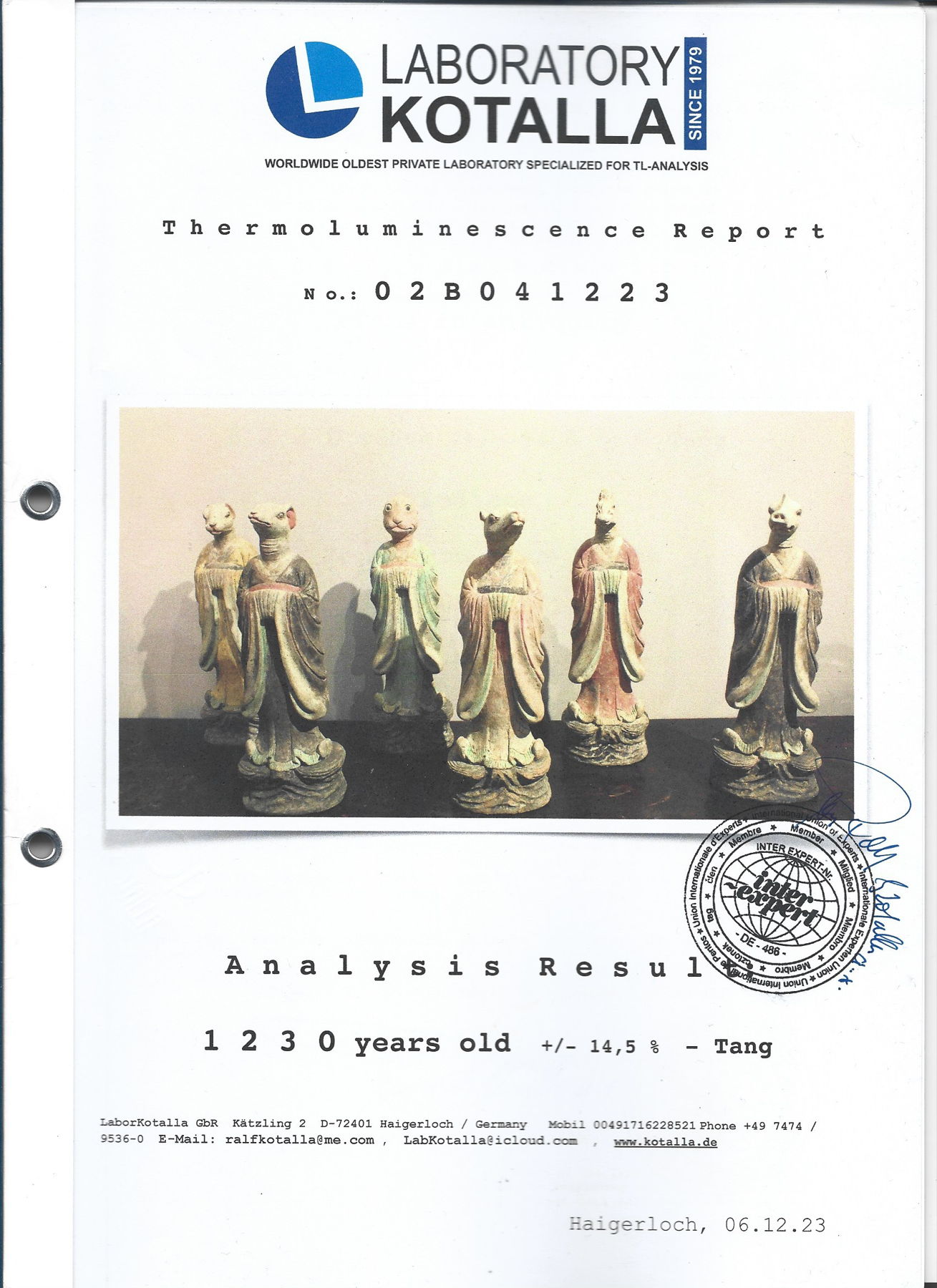
| ITEM | Zodiac set lot (12 pieces) with Thermoluminescence test (TL) |
| MATERIAL | Pottery |
| CULTURE | Chinese, Tang Dynasty |
| PERIOD | 618 – 907 A.D |
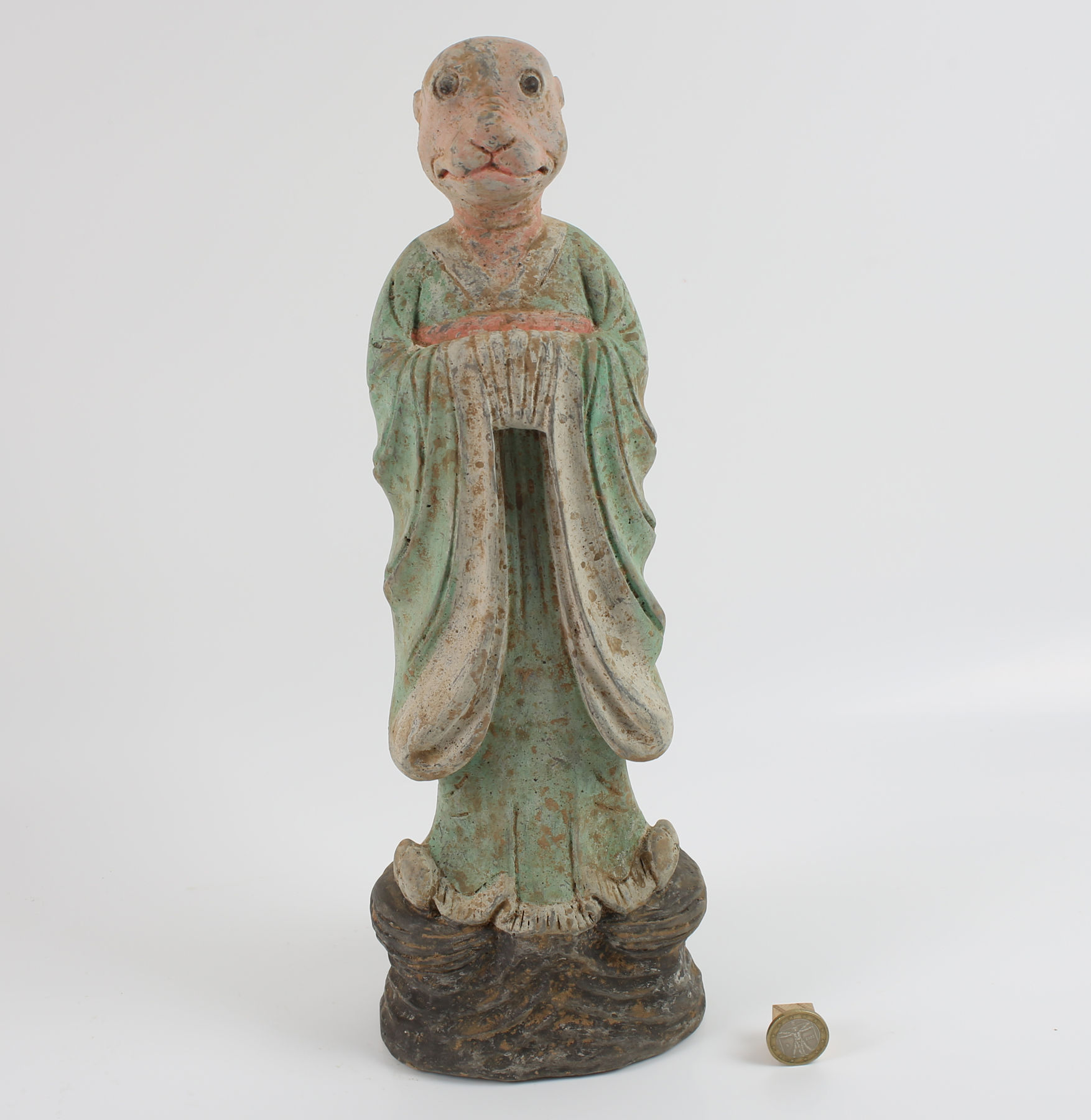
| DIMENSIONS | 360 mm x 115 mm x 90 mm to 380 mm x 120 mm x 100 mm |
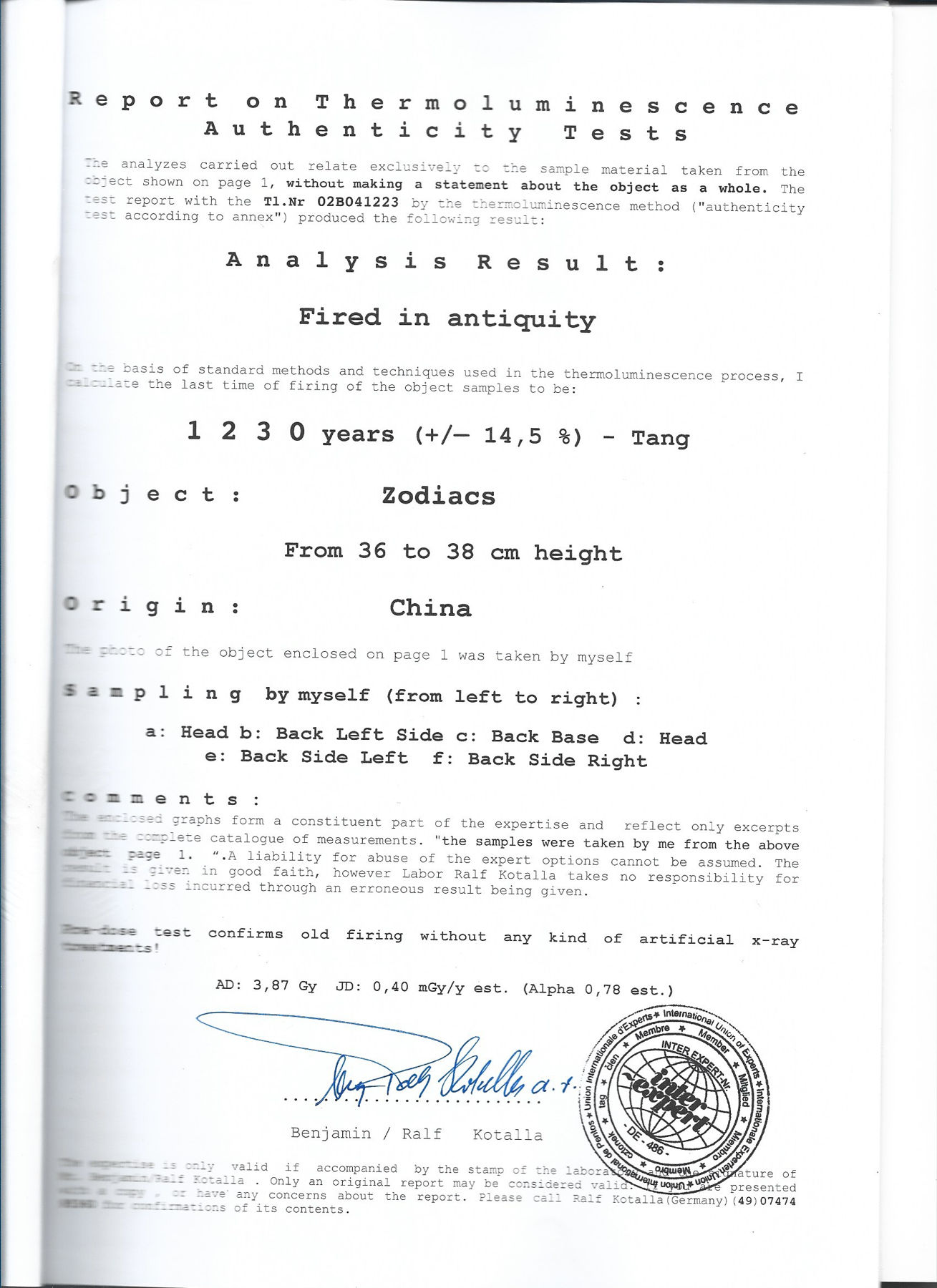
| CONDITION | Good condition. Includes Thermoluminescence test by Laboratory KOTALLA (Reference: 01B041223 and 02B041223). |
| PROVENANCE | Ex Belgian private collection, acquired before 1990s from Dutch art gallery. |
The Tang Dynasty (618 – 907 AD) is widely regarded as a golden age of Chinese civilization, characterized by unparalleled cultural openness and artistic sophistication. During this era, the “Silk Road” facilitated a vibrant exchange of ideas, religions, and goods, which deeply influenced the empire’s aesthetic sensibilities. This period saw the perfection of Sancai (three-color) glazing techniques, where lead-based glazes in green, amber, and cream were used to create the vivid, fluid patterns that define Tang ceramics.
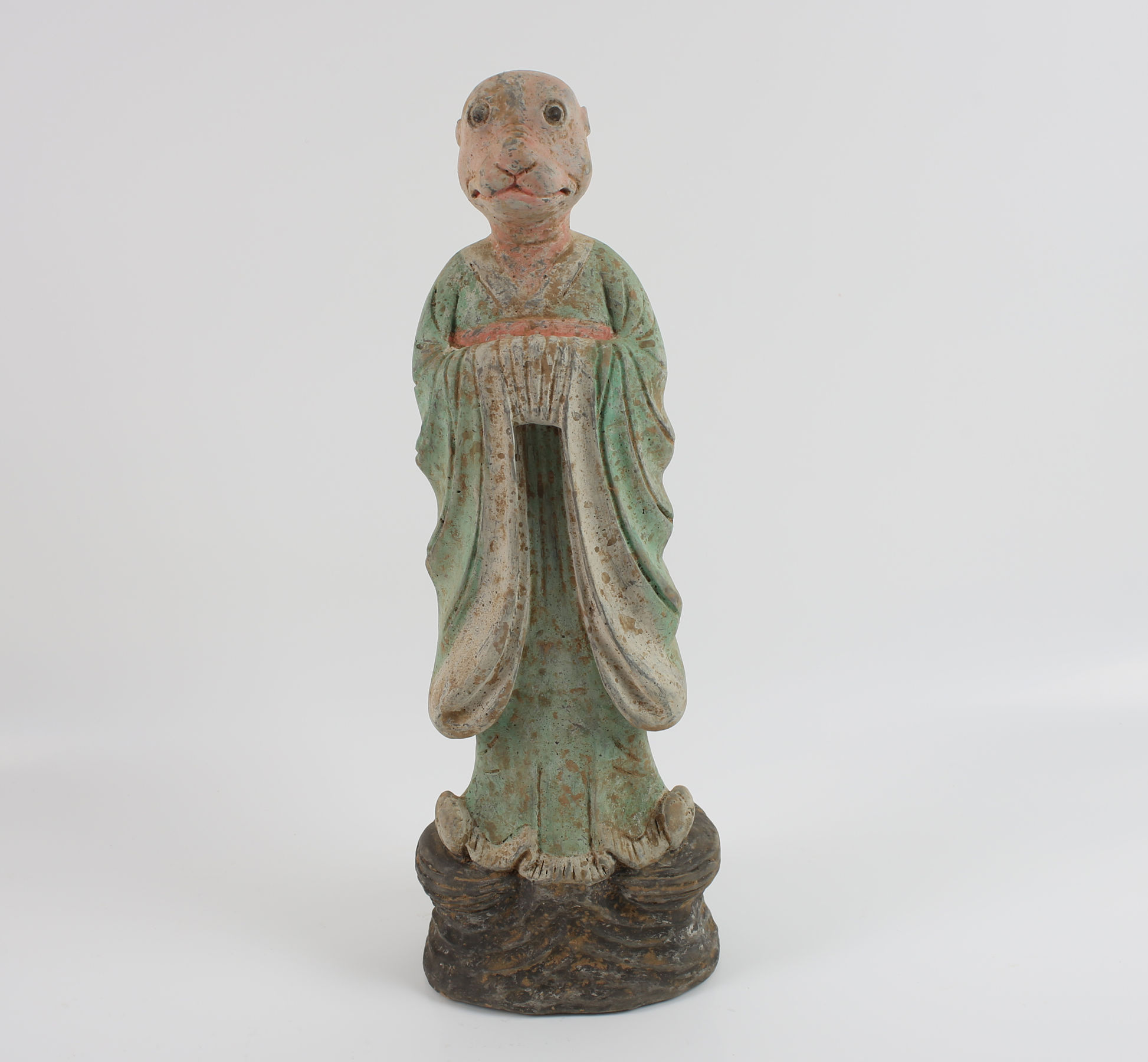
Among the most captivating artifacts from this period are the Zodiac set figurines, which were often placed in tombs to serve as spiritual guardians and markers of time. Unlike the purely animalistic representations found in earlier dynasties, Tang zodiac figures frequently adopted a zoomorphic form, featuring human bodies dressed in flowing scholarly robes with the heads of the twelve zodiac animals. These figures were typically crafted from earthenware and arranged in a specific sequence to represent the cyclical nature of the lunar calendar and to ensure the deceased remained in harmony with the cosmos.
The craftsmanship of these figurines reveals a fascinating blend of rigid ritual requirements and expressive artistry. Some sets were left unglazed with delicate hand-painted pigments, while others boasted the prestigious Sancai finish, reflecting the social status of the owner. By transforming the animals of the zodiac—from the Rat to the Pig—into dignified, anthropomorphic officials, Tang artisans elevated folk astrology into a sophisticated funerary art form. Today, these figurines remain essential icons of Tang heritage, symbolizing the era’s unique synthesis of spiritual belief and creative mastery.