
Description
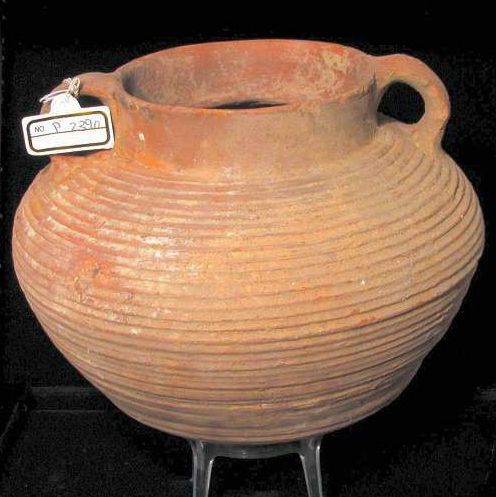
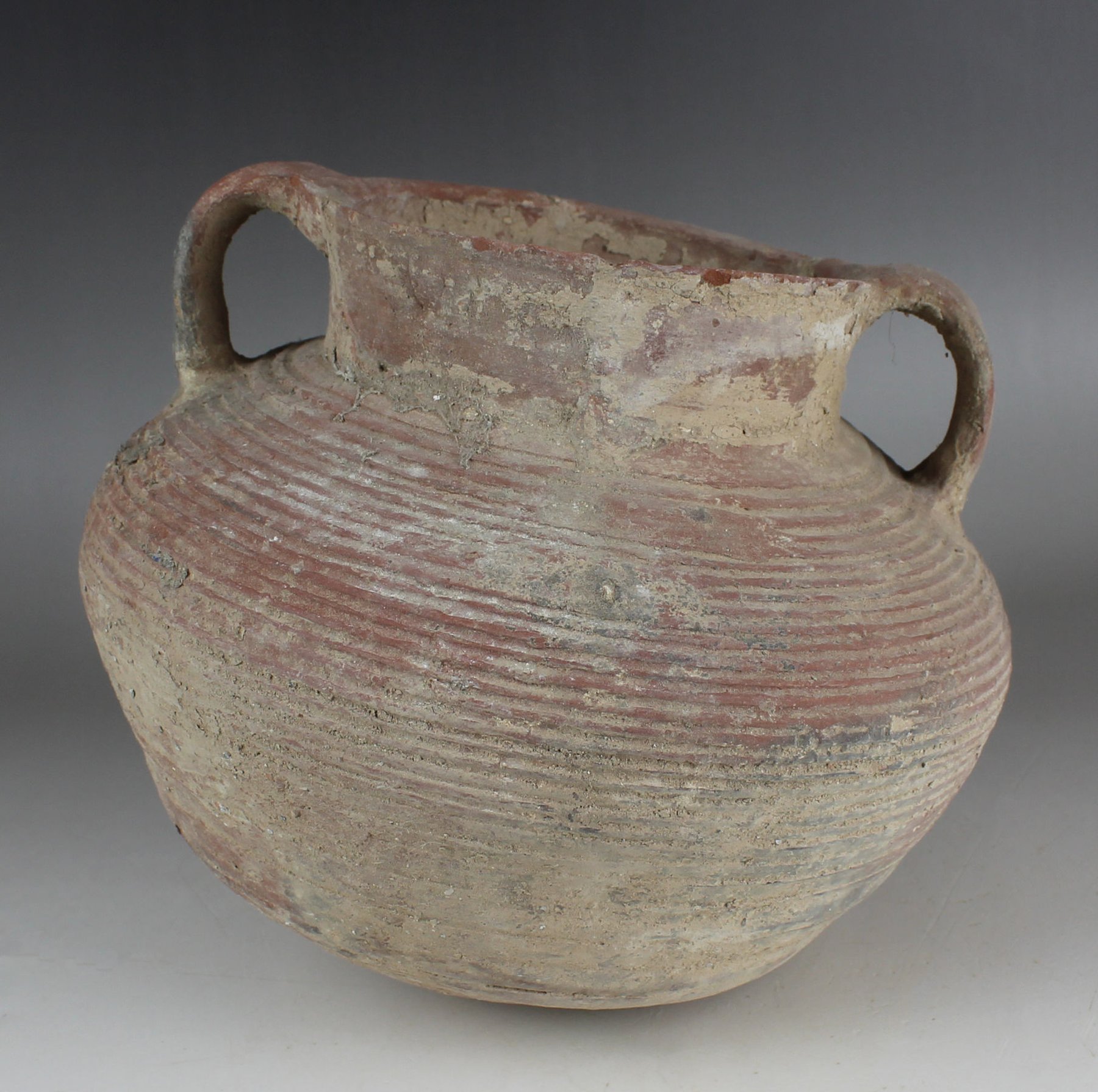
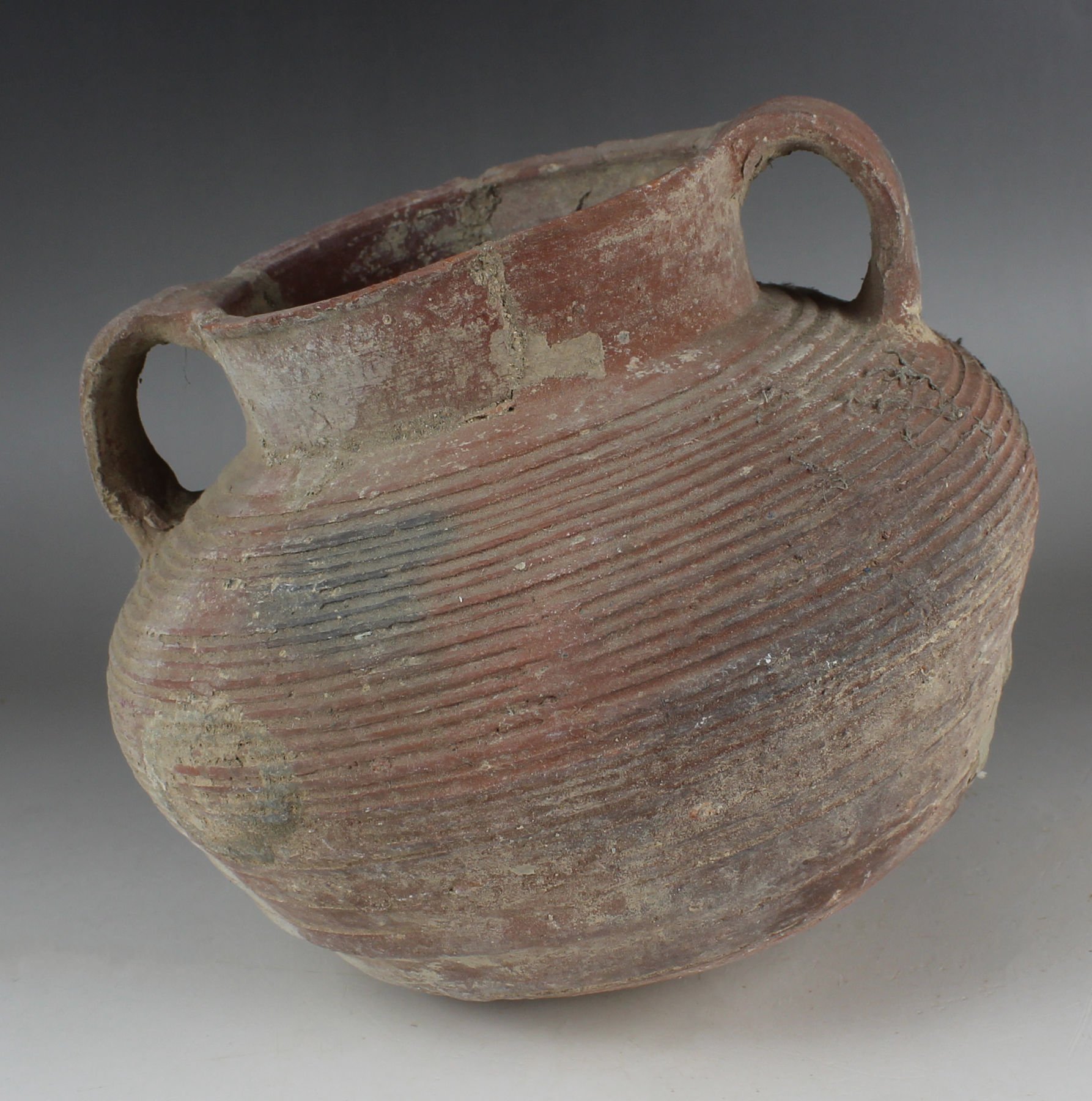
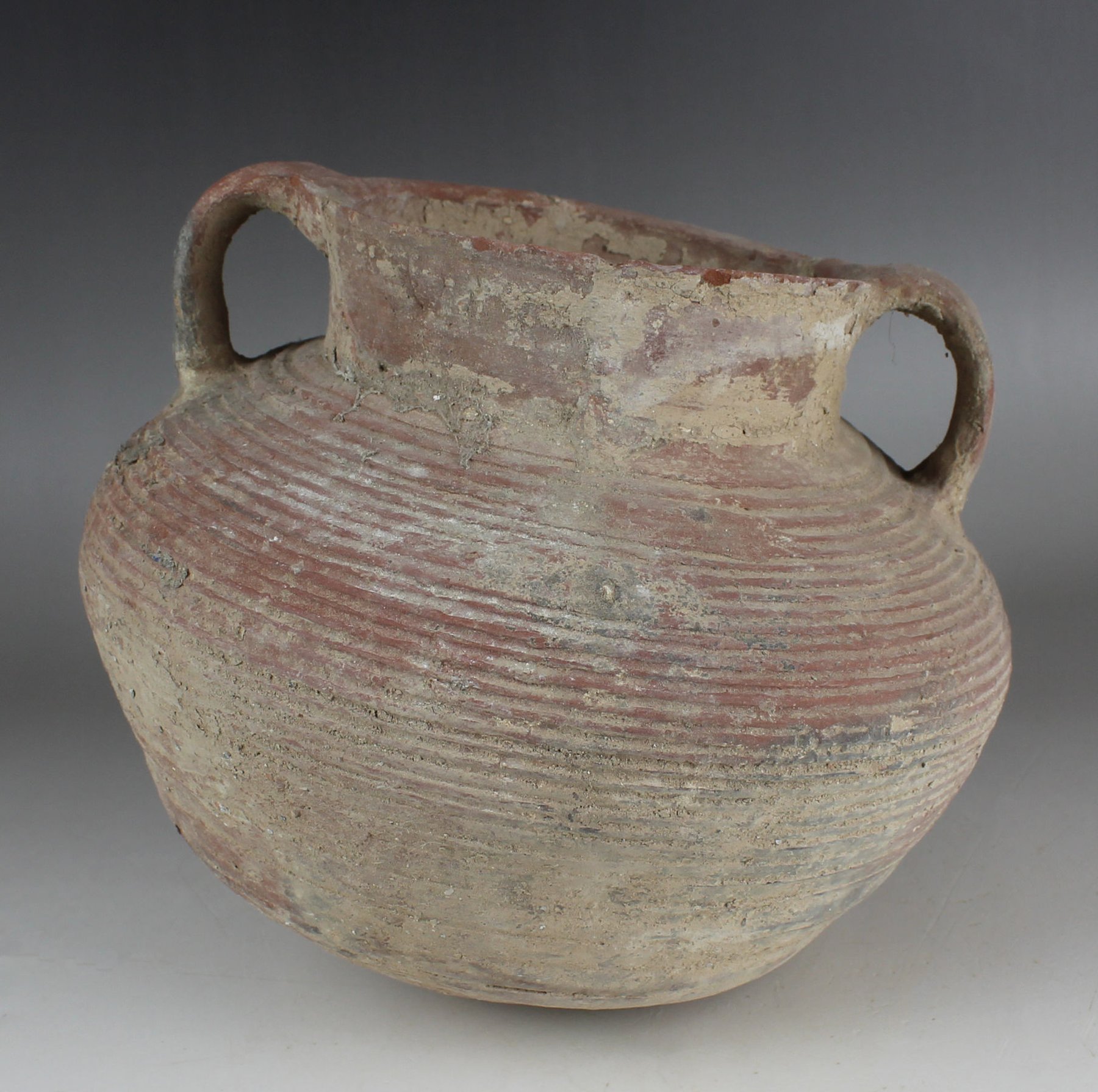
| ITEM | Cooking pot, Type ‘Kedera’ |
| MATERIAL | Pottery |
| CULTURE | Roman, Judaea |
| PERIOD | 1st Century A.D |
| DIMENSIONS | 165 mm x 185 mm |
| CONDITION | Good condition. Small hole in the base |
| LOCATION | Pražský Kulinářský Institut, Praha (Czech Republic) |
The kedera type cooking pot was a common form of ceramic cookware during the Roman period, particularly from the 1st century BCE to the 3rd century CE. It was a wide-mouthed pot with a rounded body and short neck, typically made of coarse, utilitarian clay. These vessels were primarily used for boiling and stewing food, a staple method of cooking in Roman households. The kedera pots often had two small, looped handles for easy lifting and were designed for placement over an open fire or a hearth, making them ideal for preparing soups, porridges, and stews, which were common in Roman cuisine.
The design of the kedera pot was highly functional, with its rounded base allowing for even heat distribution, which was essential for slow cooking methods. The form and construction of these pots suggest they were durable, built to withstand the rigors of daily use in Roman kitchens. They could be found in both urban and rural settings, indicating their widespread use across different social classes. Wealthier households might have had more elaborate cookware, but the kedera was a basic necessity in most Roman homes. In addition to its practical function, its simple design allowed for mass production, which made it affordable and accessible to the broader population.