
Description
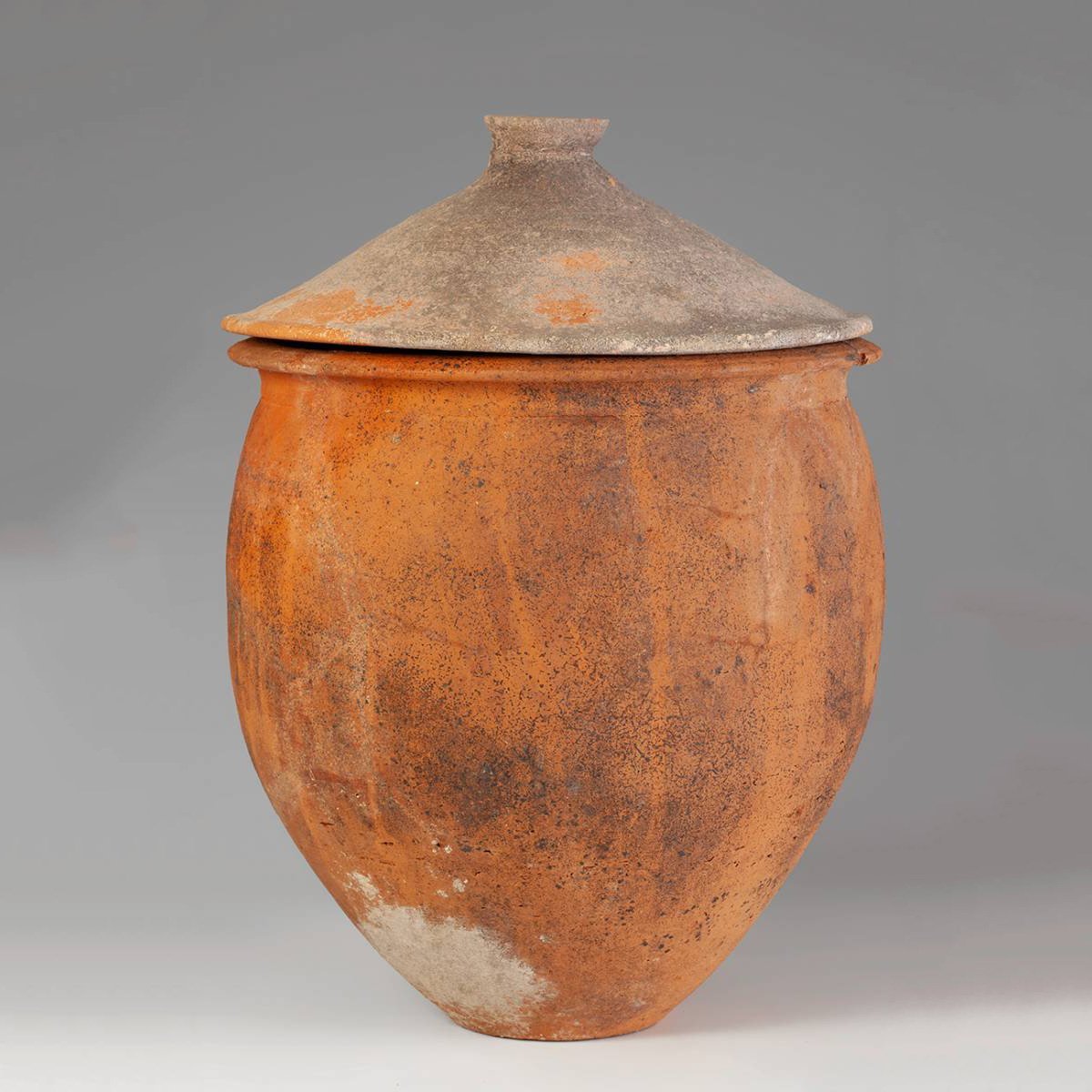
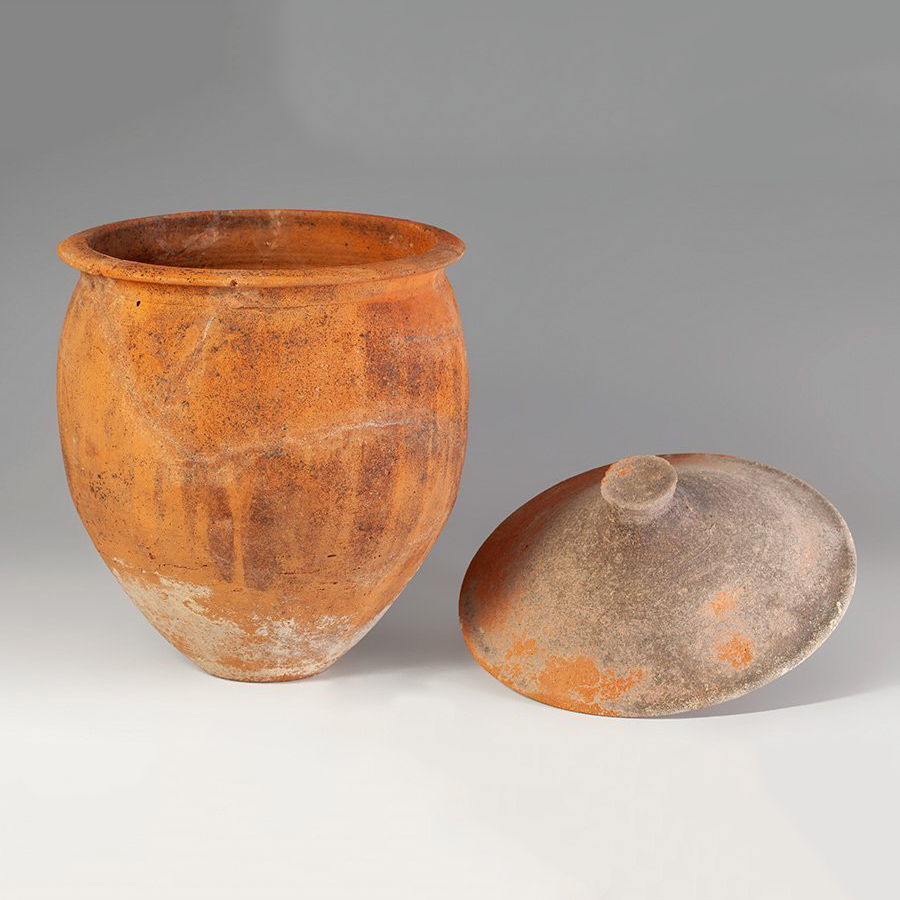
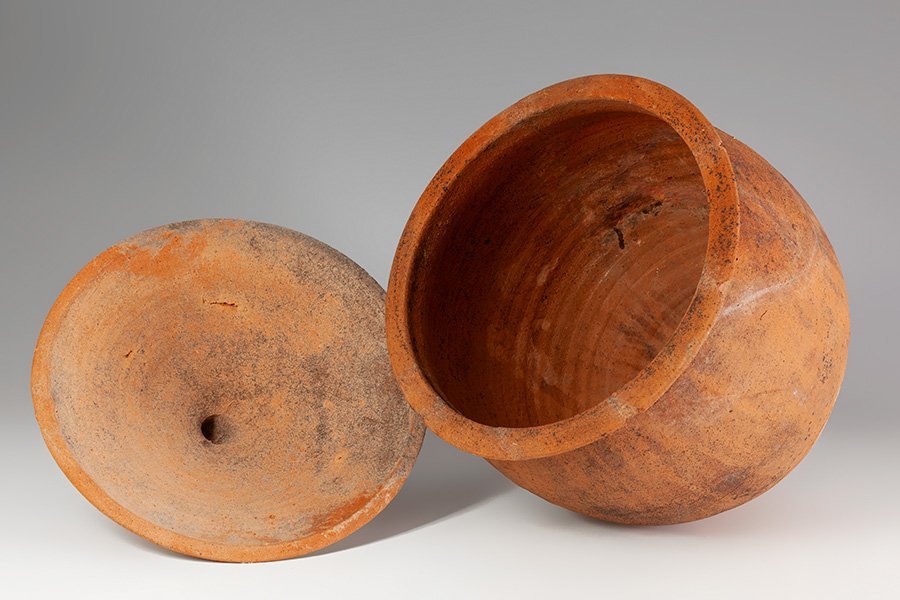
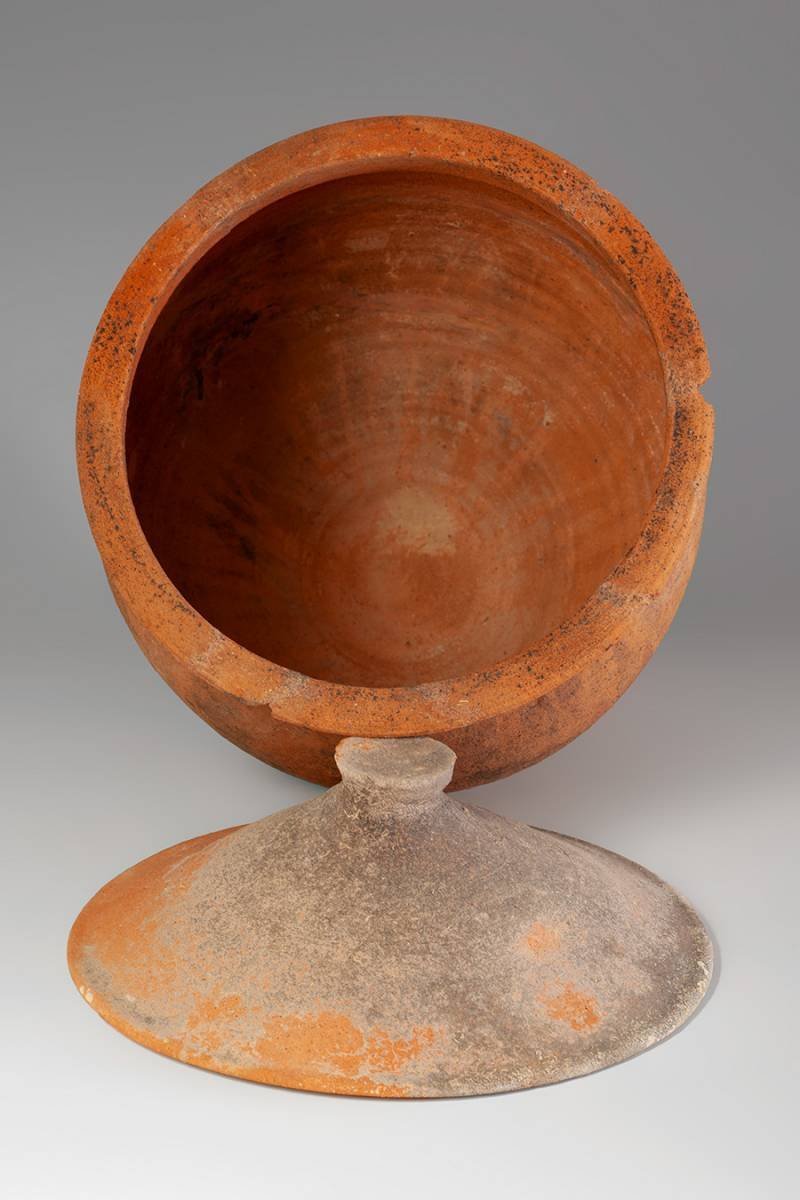
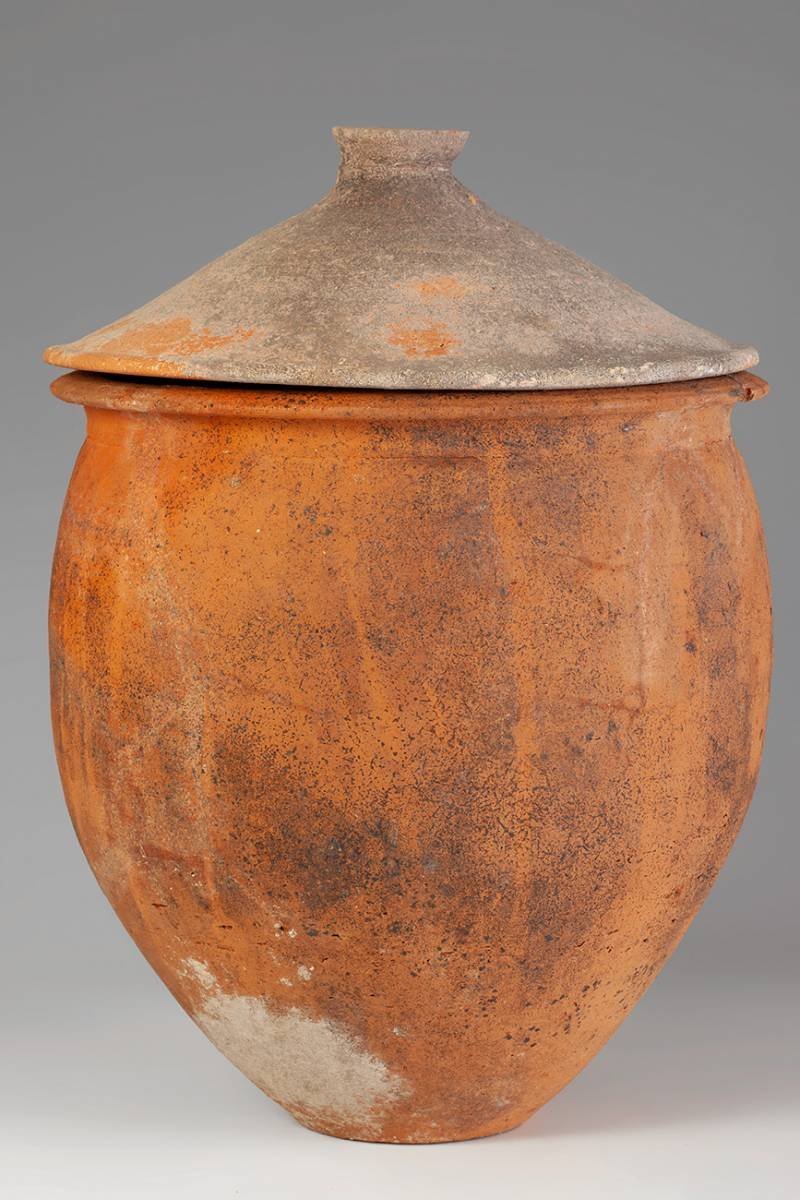
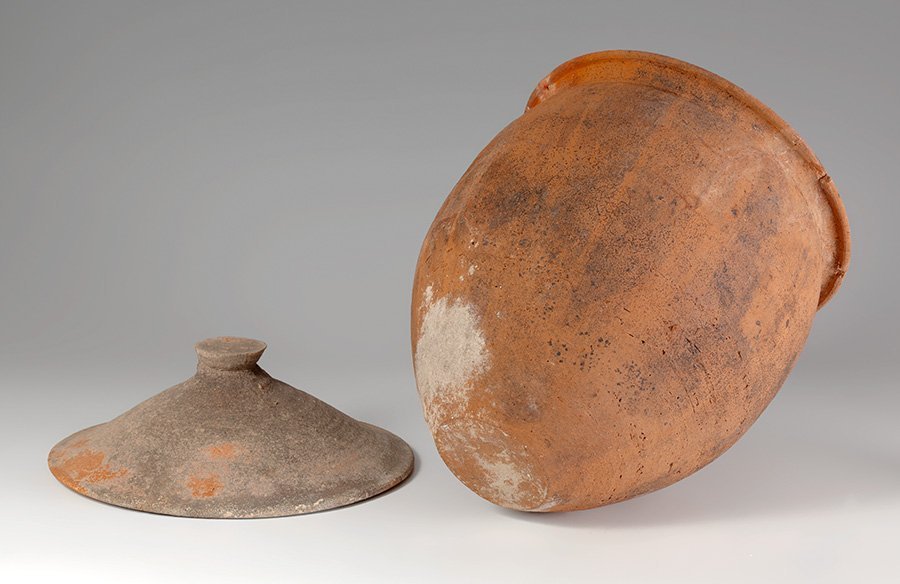
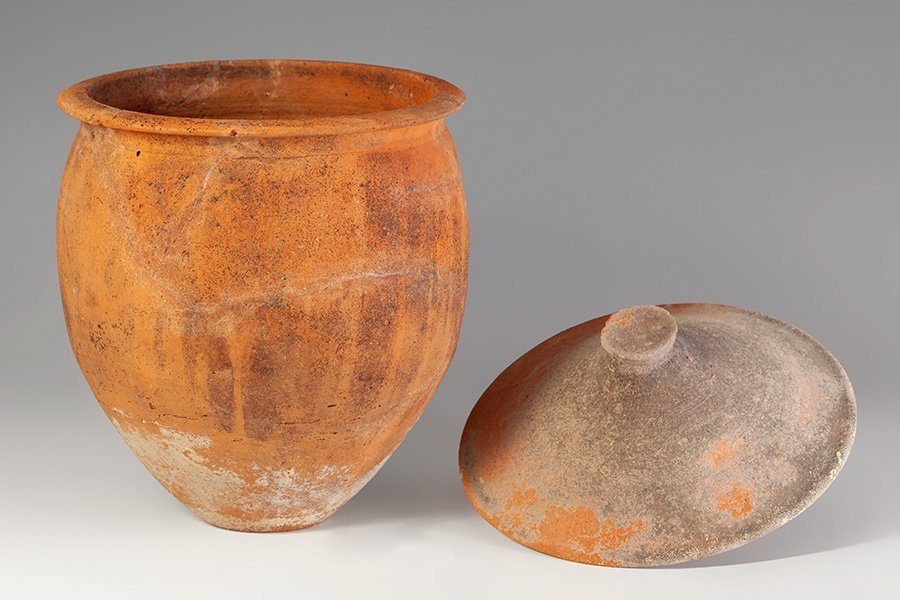
| ITEM | Urn |
| MATERIAL | Terracotta |
| CULTURE | Roman |
| PERIOD | 1st – 3rd Century A.D |
| DIMENSIONS | 400 mm x 280 mm diameter |
| CONDITION | Good condition. Professionally restored |
| PROVENANCE | Ex Dutch private collection, Ex Galerie Ugo Donati – Art Classique, Switzerland (1956) |
In Roman antiquity, cinerary urns and funerary vessels played a central role in burial customs, particularly during the Republic and early Empire when cremation was the primary method of treating the dead. These vessels were designed to hold the cremated remains (ashes and bone fragments) of the deceased. Depending on the wealth and social standing of the individual, urns ranged from simple, unadorned terracotta pots to intricately carved marble chests, elaborate bronze containers, and delicate blown glass jars.
The craftsmanship of these vessels often reflected the artistic trends of their specific era. For the Roman elite, marble urns were frequently decorated with high-relief carvings depicting mythological scenes, garlands of fruit, or symbolic imagery like reversed torches and birds, which represented the soul’s journey or the mourning of the living. Glass urns, which became highly popular in the first and second centuries AD due to advancements in glassblowing, offered a striking aesthetic choice; their translucent walls allowed the contents to be partially visible, often placed inside protective lead canister boxes for burial.
Once filled, these vessels were laid to rest in various funerary settings. Elite families placed their highly decorated urns in elaborate private tombs or shared underground vaults known as columbaria (meaning “dovecoats”), where rows of niches built into the walls held the vessels. For ordinary citizens or freedmen, simpler ceramic vessels were often buried directly in the ground within communal cemeteries, marking a final, sacred resting place that adhered strictly to Roman religious laws regarding the honoring of ancestors.