
Description
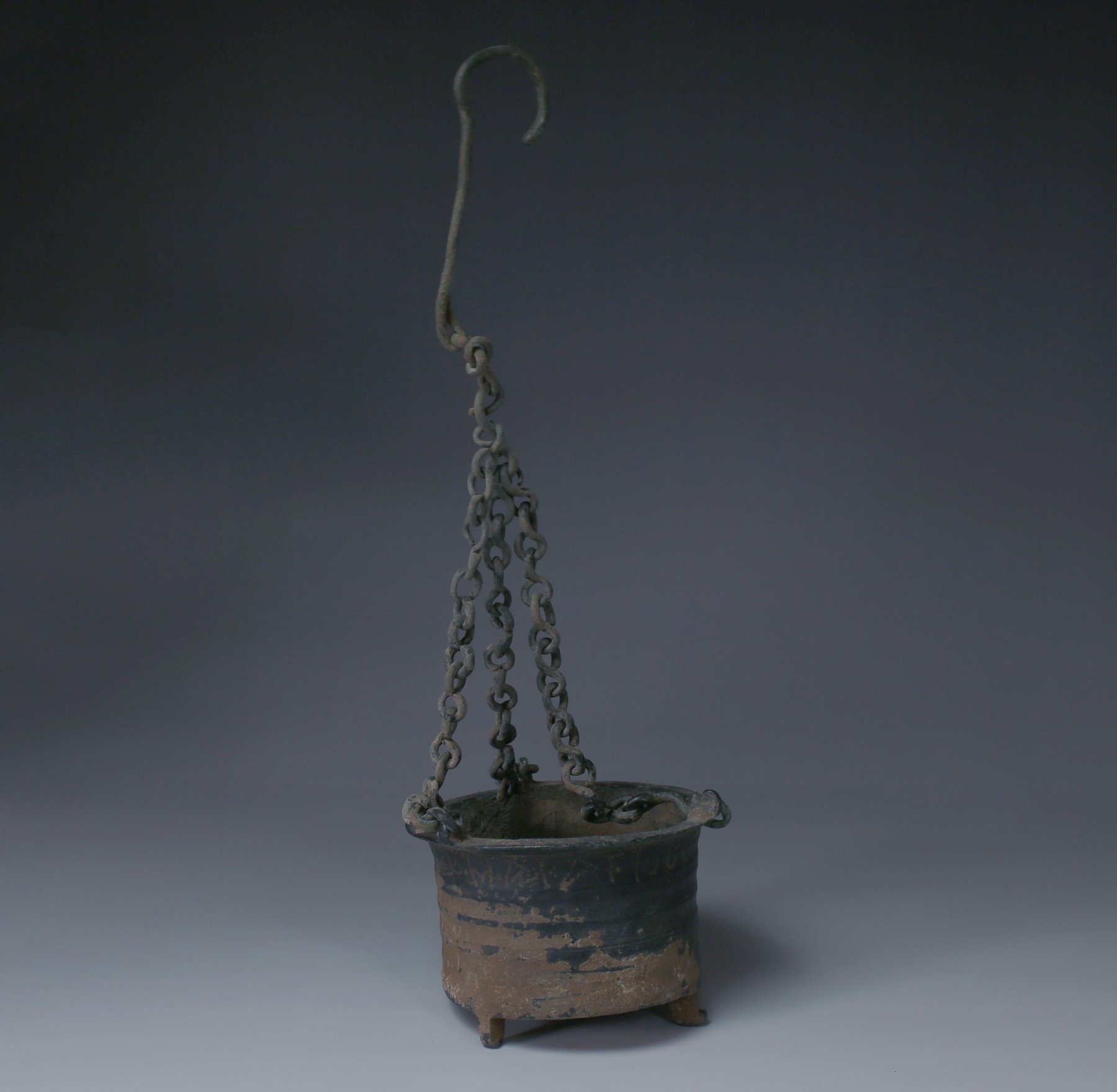
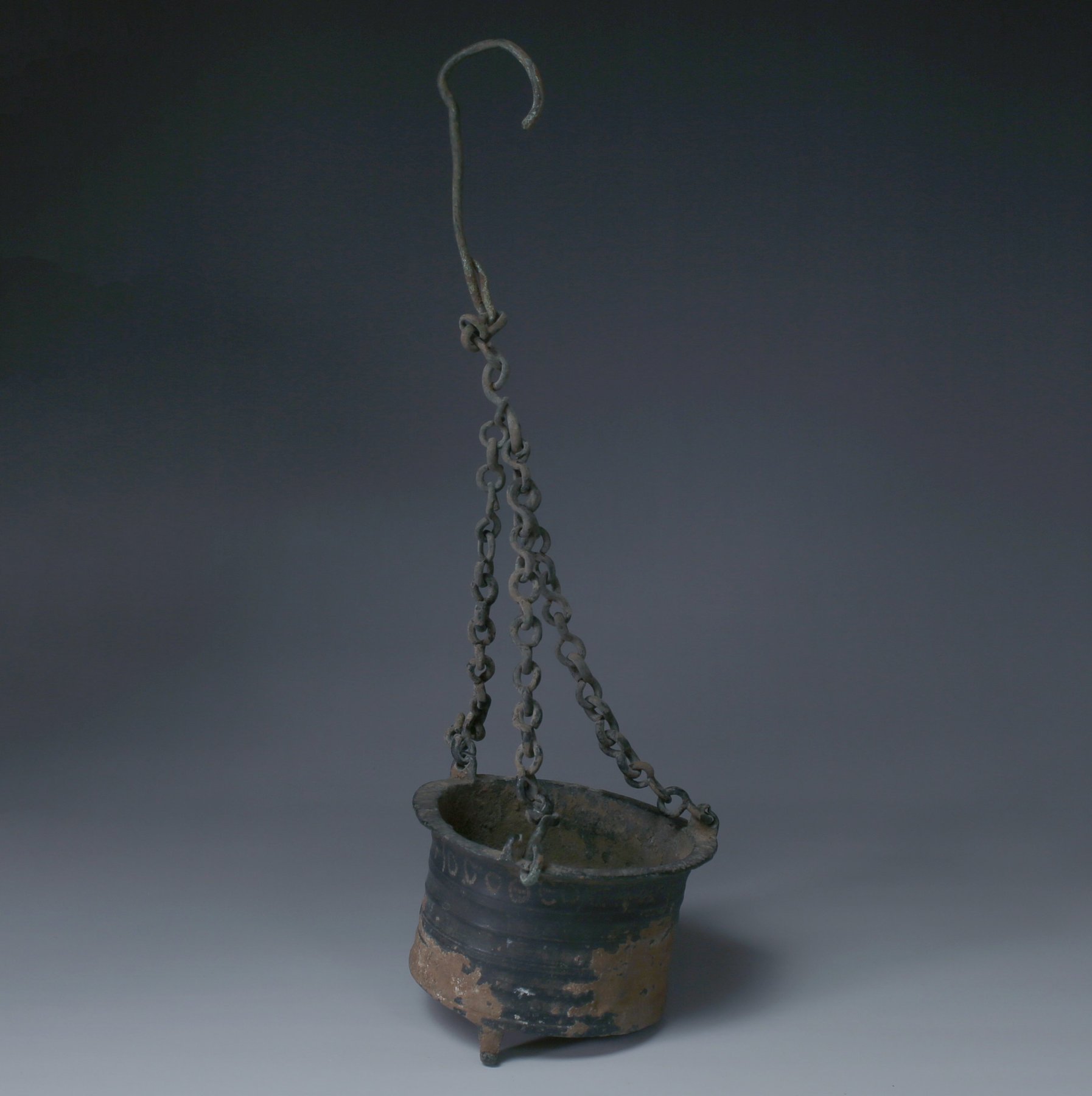
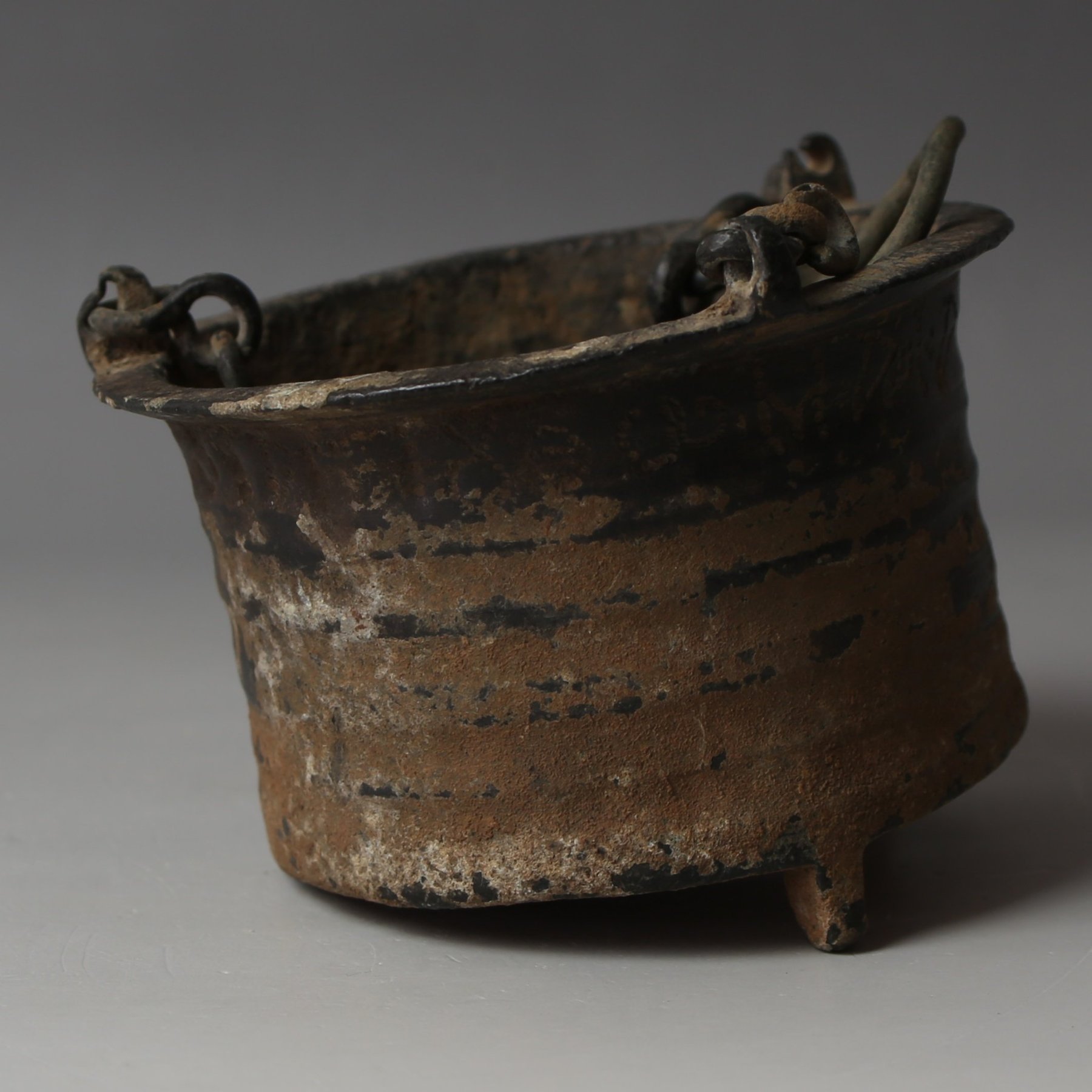
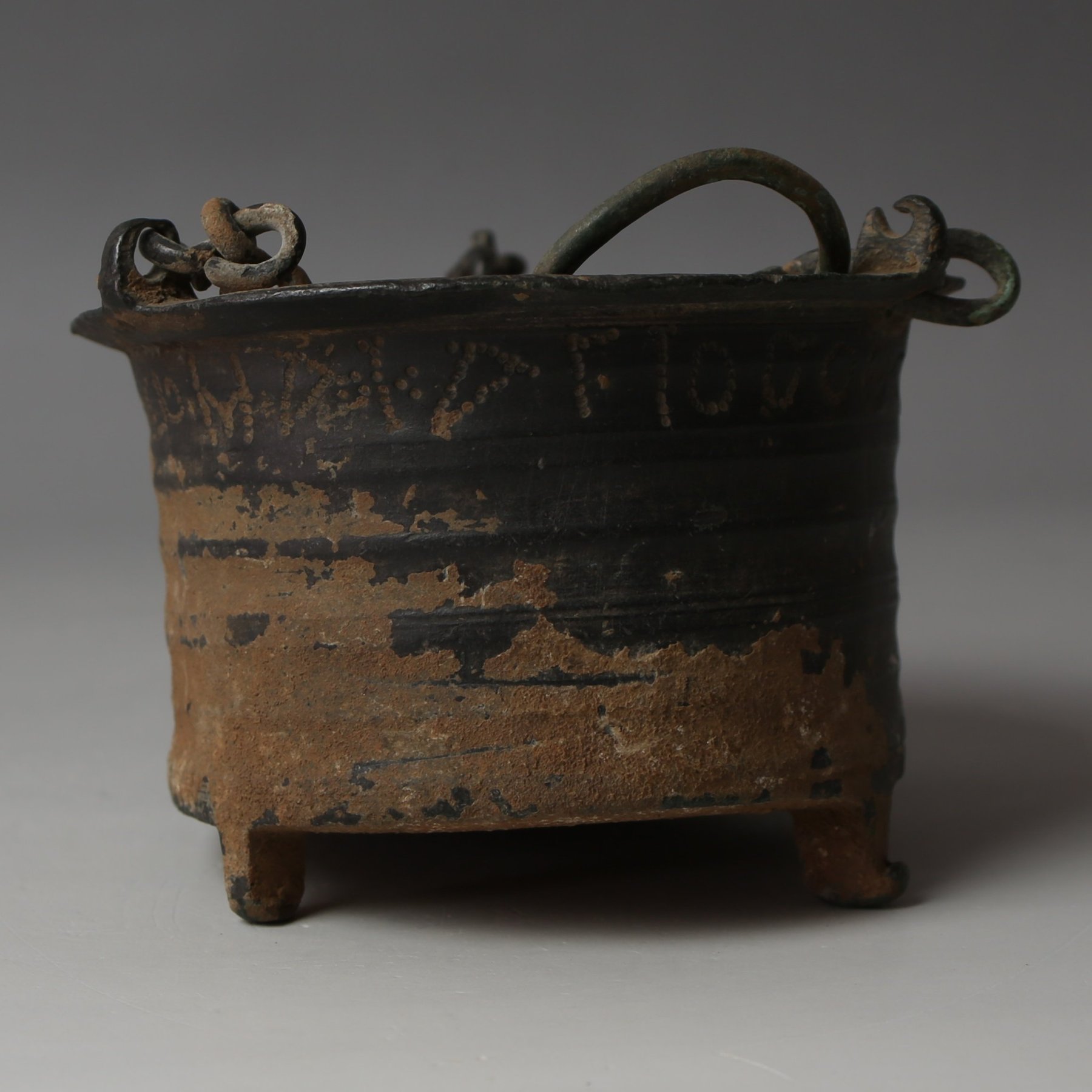
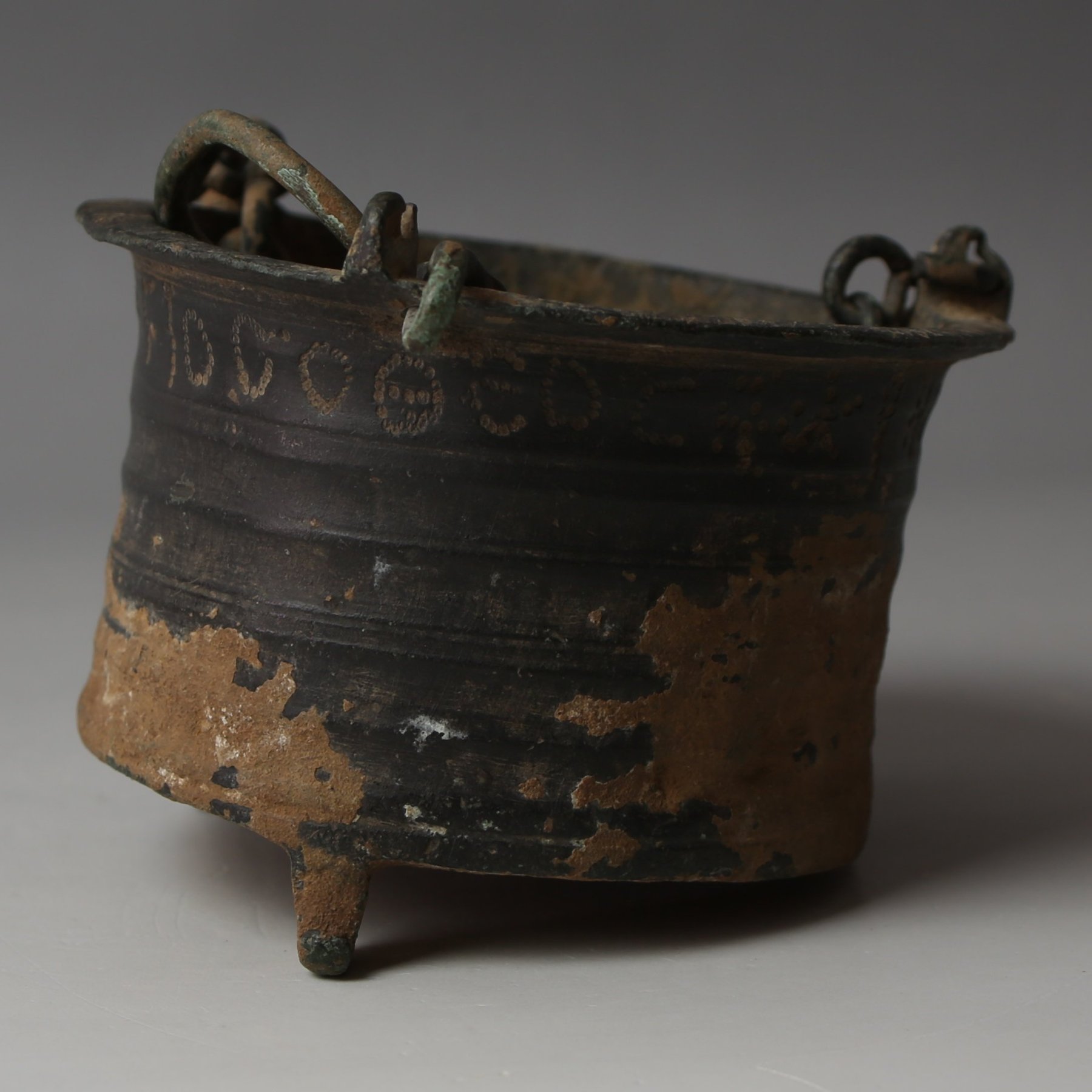
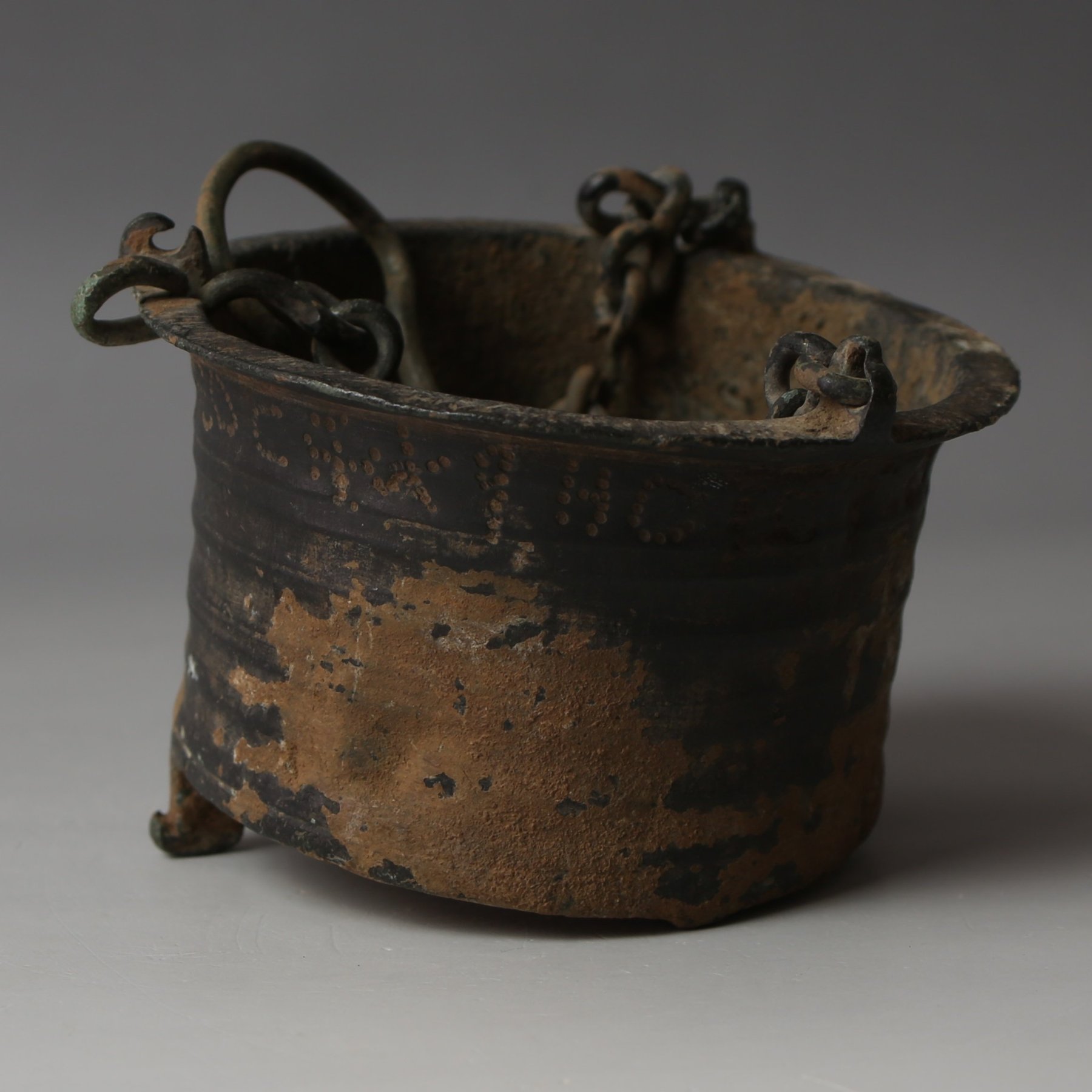
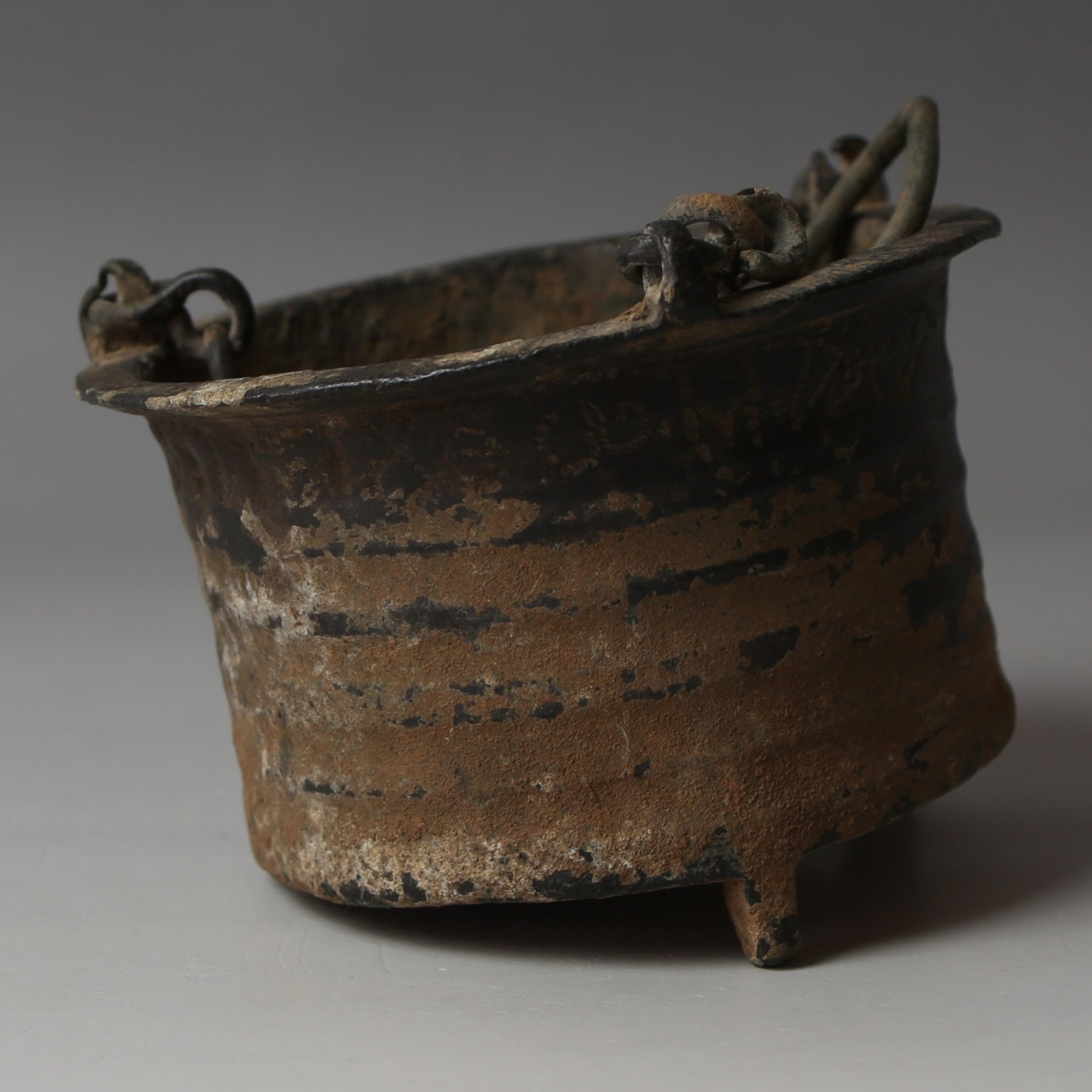
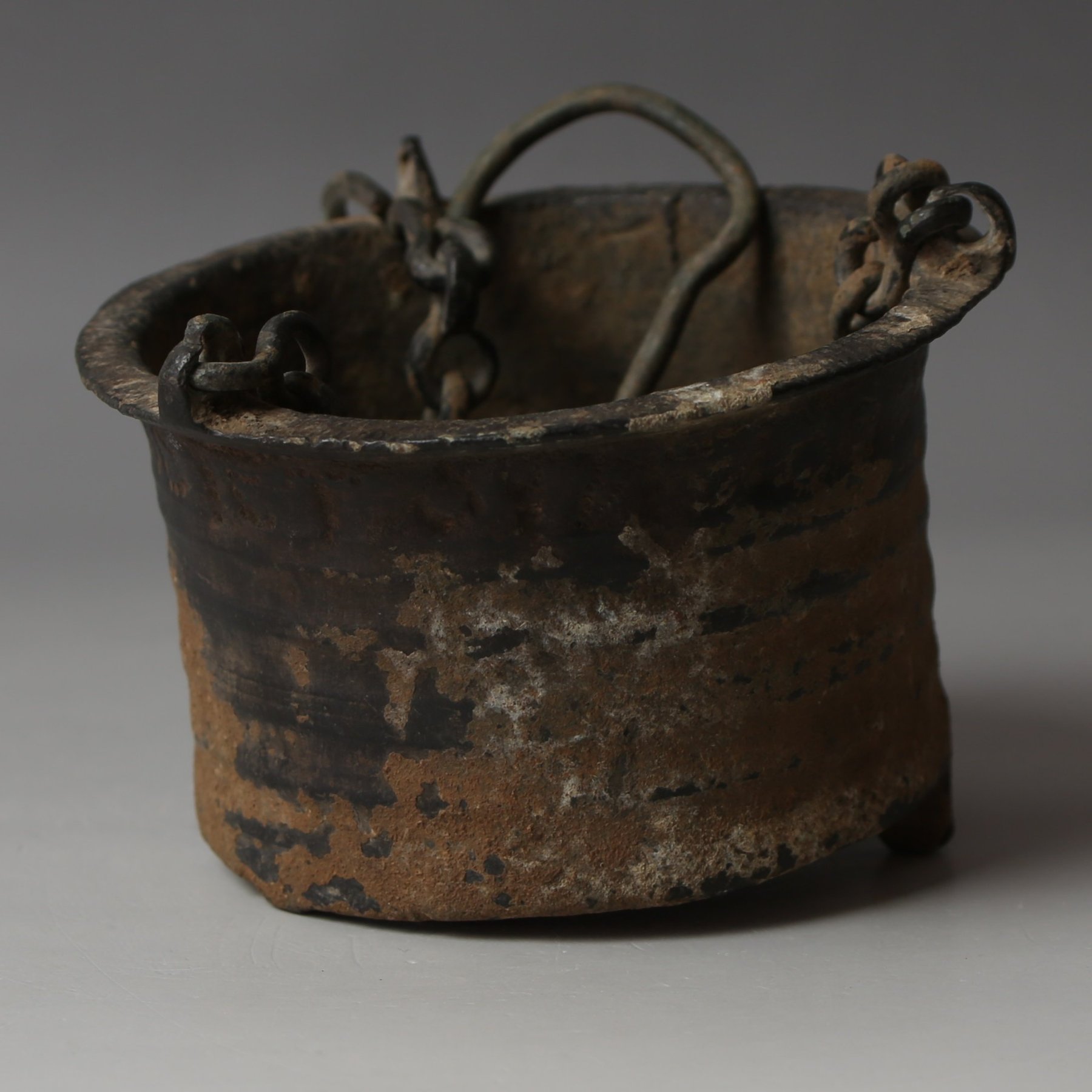
| ITEM | Incense burner with Greek inscription |
| MATERIAL | Bronze |
| CULTURE | Late Roman / Byzantine |
| PERIOD | 4th – 6th Century A.D |
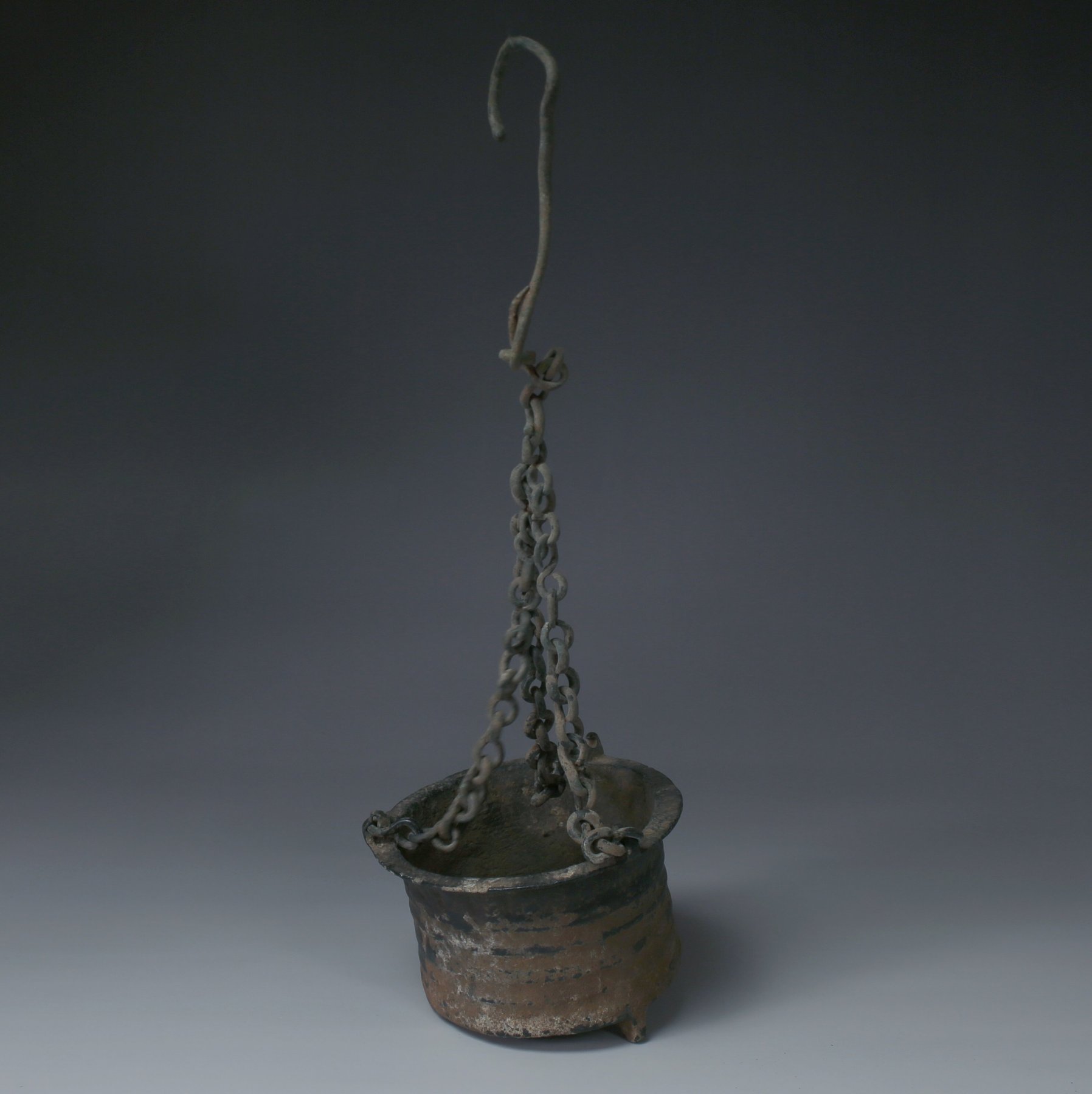
| DIMENSIONS | 295 mm x 87 mm diameter |
| CONDITION | Good condition |
| PROVENANCE | Ex German private collection, acquired between 1970 – 1980 |
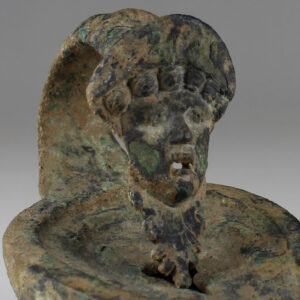
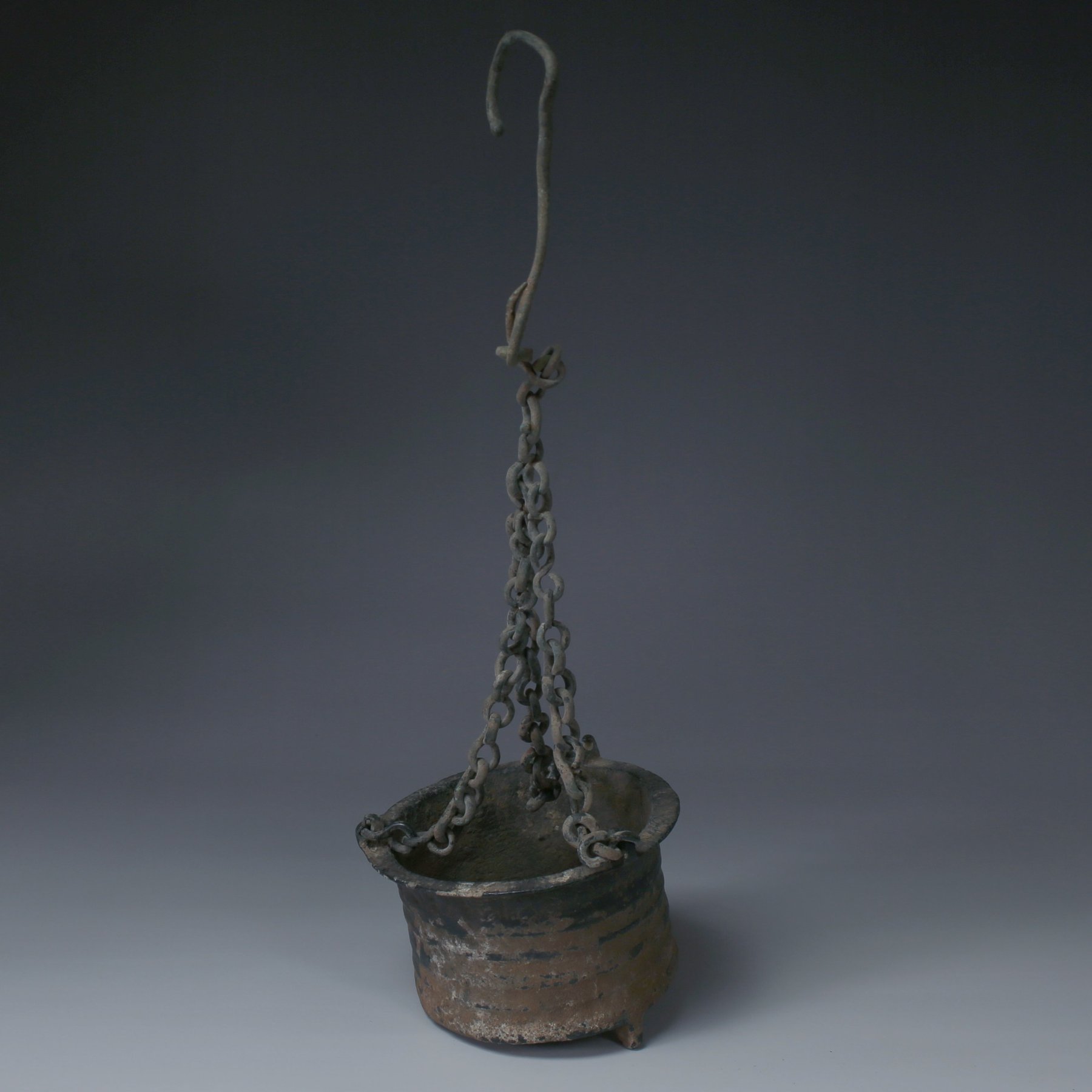
This exceptional object, dating to around the 5th to 7th centuries AD, represents a captivating bridge between Greco-Roman artisan traditions and the sacred rituals of early Christianity. Typically cast in bronze using the cire perdue (lost-wax) technique, such incense burners (or thymiateria) were widely produced throughout the Eastern Mediterranean, from Syria and Palestine to Asia Minor and Constantinople. Designed either as standing pedestal vessels or suspendable censers equipped with delicate chains, they were essential liturgical tools used during church services, processional rites, and private domestic devotions. Burning costly aromatic resins like frankincense and myrrh, these vessels served a dual function: filling the worship space with fragrance while visually symbolizing the prayers of the faithful ascending toward the heavens.
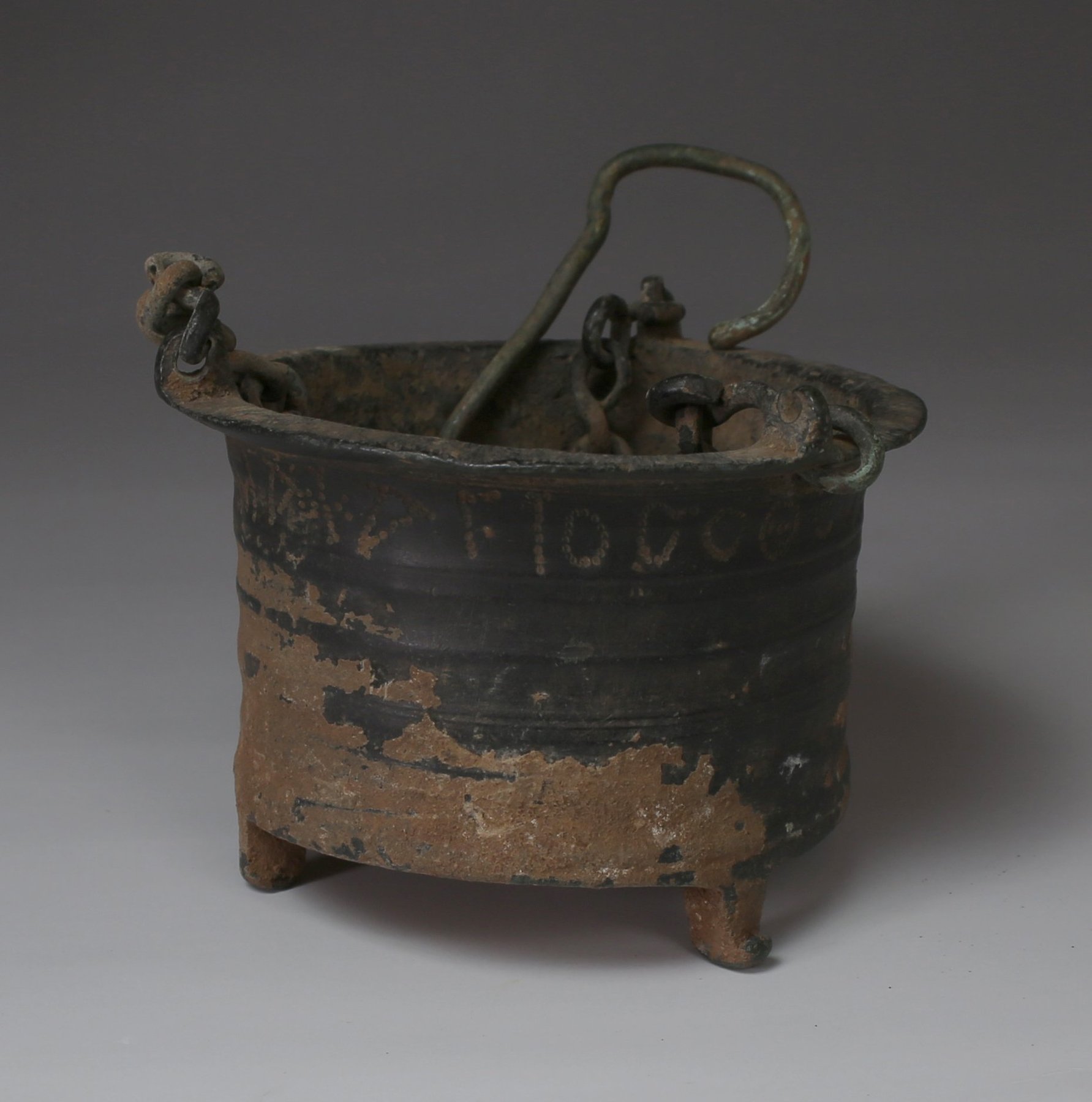
The inclusion of a Greek inscription elevated the vessel from a purely utilitarian object to a dedicated instrument of prayer or patronage. In the Eastern Roman Empire, Greek was the lingua franca of religious life, theology, and civic affairs. Inscriptions engraved or cast along the rim or body of the burner frequently incorporated pious invocations, such as the Trisagion (“Holy God, Holy Mighty, Holy Immortal, have mercy on us”) or protective formulas invoking the Holy Trinity, Christ, or the Virgin Mary (Theotokos). Alternatively, these texts served a votive purpose (ex-voto), recording donor dedications such as “In fulfillment of a vow of…” or requesting divine salvation and health for the benefactor and their household. The lettering itself—ranging from elegant classical majuscule to fluid Byzantine cursive—provides scholars with vital epigraphic clues for precise dating and regional attribution.
Artistically, these incense burners exemplify the distinctive stylistic evolution of Late Antiquity. Their forms frequently feature intricate openwork (opus interrasile), geometric friezes, or relief imagery portraying sacred iconography such as crosses, peacocks (symbolizing immortality), and scenes from the Life of Christ. The interplay between physical utility and spiritual symbolism made the incense burner a ubiquitous hallmark of Early Byzantine material culture. Today, surviving examples with intact Greek inscriptions are highly prized by antiquarians, historians, and museums alike, offering an intimate tangible window into the devotional life, artistic refinement, and religious atmosphere of the Late Roman world.